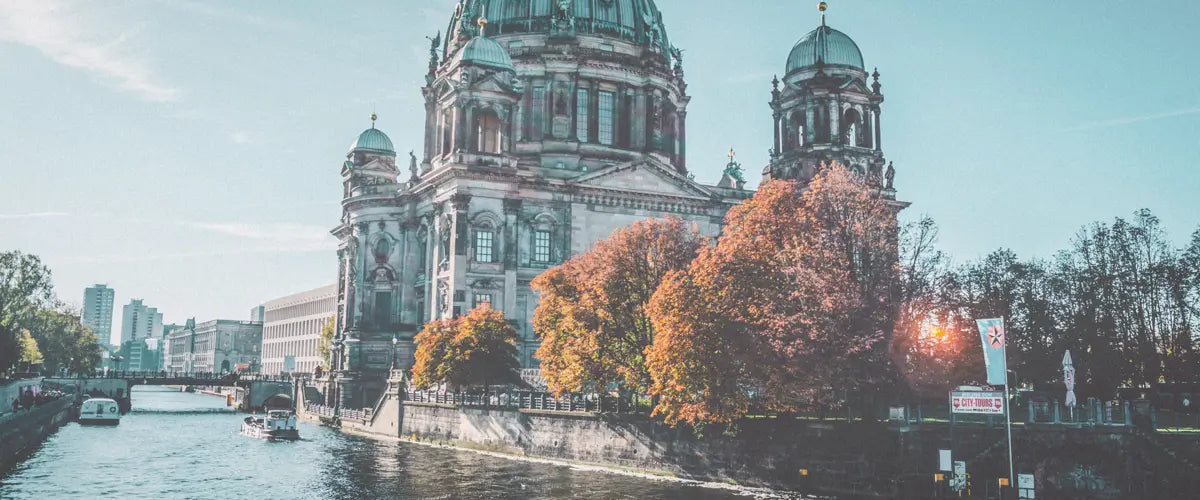
[takeaways] • The five best neighborhoods in Berlin are Mitte, Kreuzberg, Prenzlauer Berg, Neukölln, and Charlottenburg — each with a completely distinct character.
• Shops across all of Berlin's neighborhoods are closed on Sundays by law — plan grocery and souvenir shopping for earlier in the week.
• Carry cash for flea markets and independent shops — cards are widely accepted but smaller businesses often prefer cash.
• For public transport, the AB zone covers the city center. Only extend to C if you're traveling beyond the city limits.
• Tipping is expected at around 10% — always tell your server the total you are paying rather than leaving cash on the table. [/takeaways]
If you've already read our complete guide on things to see in Berlin, you'll know that this is a city with tons of personality and history. And, on arrival, you'll soon find that it's split up into lots of different neighborhoods!
So, for this guide, we've decided to break down what we feel to be the five best neighborhoods in Berlin to explore, whether you're new to the city or have traveled back here many times before.
Berlin neighborhoods overview
If you're in the middle of building a Germany itinerary for your next vacation, you might be tempted to stick to the big cities and wider areas — especially if you're short on time. However, if you have more than a few days to spare, we seriously recommend you spend time getting to know Berlin up close and personal.
Berlin is a city that's undergone immense changes over the past two decades, following the rebuilding of its identity after the fall of the Berlin Wall. This event effectively led to the end of segregation between East and West Germany, and in the years since, Berlin has become something of a remarkable multicultural melting pot.
And this is only too obvious when you explore its different neighborhoods. Berlin is an artistic and confident city, having broken free from its previous restrictions with new generations making their marks. Whether it's nightlife, history, art, or cuisine you're prioritizing, there will always be a neighborhood to match your ideal trip.
Best neighborhoods in Berlin
Berlin has 12 districts and a staggering 96 neighborhoods, meaning narrowing the list down to five of the best was no easy task. Those of us here at SIMOVO who regularly visit Germany and Berlin are all too happy to share our recommendations on where you should head first.
Of those 96 neighborhoods, we recommend checking out Mitte, Kreuzberg, Prenzlauer Berg, Neukölln, and Charlottenburg as a priority. Here's why.
[numbered title="Mitte" pill="History and landmarks"]Home to the Reichstag, Museum Island, and the Brandenburg Gate. The essential first stop for anyone keen to understand Berlin's place in history.[/numbered] [numbered title="Kreuzberg" pill="Arts and counter-culture"]Independent businesses, trendy bars, vintage stores, and street food. The alternative heart of modern Berlin — vibrant and always exciting.[/numbered] [numbered title="Prenzlauer Berg" pill="Charm, food"]Restored districts, preserved monuments, and an international food scene. One of Berlin's classiest and most charming neighborhoods.[/numbered] [numbered title="Neukölln" pill="Bohemian art scene"]Quaint streets, a strong local art scene, and no pretension. Far from the sanitized tourist experience — this is Berlin at its most authentic.[/numbered] [numbered title="Charlottenburg" pill="Luxury palaces"]The elegant side of Berlin — luxury shopping, stunning architecture, and Schloss Charlottenburg with its beautiful gardens.[/numbered]
Mitte
Mitte is the place to head first as a new visitor. History buffs will know it as the location of Germany's Reichstag, the parliamentary building famously set ablaze in 1933 and since renovated and restored. It's also home to the famous Museum Island and the Brandenburg Gate, making it a must-see for anyone looking to learn more about Berlin's place in history.
Kreuzberg
Fresh, vibrant, and always exciting, Kreuzberg takes you down a more artistic corner of the city. It's here where you'll find streets packed with independent businesses, trendy bars, vintage stores, and food vendors. It's the alternative side to Berlin that really shows off how far the city has come since the fall of the Wall — a must-visit for anyone even slightly into counter-culture.
Prenzlauer Berg
Prenzlauer Berg tends to be viewed as one of Berlin's classier neighborhoods, mainly thanks to its restored districts and preserved monuments. It offers a ton of charm, and like Kreuzberg, it's also a great place to go for drinks and live music. It's very popular with foodies, too, thanks to its international cuisine selection.
Neukölln
As if Berlin couldn't get any more bohemian, along comes Neukölln. This neighborhood is well-loved for its quaint streets and art scene, once again checking plenty of boxes for tourists keen to explore the alternative side of the city. Many people love it for its lack of pretension — it's far from the sanitized tourist traps you might expect from other European destinations.
Charlottenburg
Charlottenburg couldn't feel further from the alternative neighborhoods in terms of aesthetic. This is Berlin's luxury side, with stunning buildings and high-end shopping waiting to be explored. It's worth visiting for Schloss Charlottenburg and its gardens alone — and, of course, it wouldn't be a Berlin neighborhood without a few museums thrown in too.
Best areas for nightlife in Berlin
When it comes to exciting bars and clubs, Kreuzberg has to take the crown. Even before dark, it's bursting with character and things to do. The nightlife here tends to lean grungy and alternative, though there are clubs you can enjoy with a more mainstream flavor too.
As one of the most alternative spaces in Berlin, Neukölln unsurprisingly follows Kreuzberg in this category — mainly thanks to its experimental bars and club spaces. There are lots of hidden experiences worth uncovering here, and none are the same old bars you'll see elsewhere.
Best areas for shopping in Berlin
For shopping in Berlin, we recommend Mitte for creative and independent goods, or Charlottenburg and Ku'damm for high-end boutiques. For something more alternative — vintage shops, bookstores, and vinyl records — head to Kreuzberg. Prenzlauer Berg ticks more than a few boxes in that niche too.
The best shopping in Berlin really depends on what you're looking for and who you're buying for. We'd recommend mixing a few of the above if time allows — and absolutely if your budget does too.
[warning]Shops across all of Berlin's neighborhoods are closed on Sundays by German law. If you want to pick up souvenirs, groceries, or anything else from independent stores or supermarkets, make sure you do so earlier in the week. Plan around this before you arrive.[/warning]
[esim flag="🇩🇪" label="Germany" data="10GB · 30 days" price="$8.50" href="/products/germany" benefits="Instant QR setup · Reliable 4G/5G · No contract"]Stay connected across Berlin's neighborhoods[/esim]Berlin travel tips
Here are a few final Berlin travel tips to digest before you board a plane and start exploring those neighborhoods.
[tip title="Get a Germany rail pass for wider travel"]If you want to explore areas beyond Berlin, we recommend applying for a Germany train pass. Our guide takes you through what it covers and how to apply as a tourist before you arrive.[/tip] [tip title="Understand Berlin's transit zones"]Berlin's public transport uses an ABC zone system. If you're sticking to the city center, the AB zone covers everything you need. Only extend to C if you're planning to travel beyond the city limits — it saves you money on your travel card.[/tip] [tip title="Carry cash for markets and independent shops"]Cards are widely accepted across Berlin, but smaller businesses, flea markets, and independent shops often prefer cash. Keep some euros to hand so you're never caught short when you want to support a local business.[/tip] [tip title="Tipping is expected at around 10%"]Tipping culture in Berlin is a little different from North America. Around 10% is standard. Always inform your server of the total amount you are paying — don't leave cash on the table without saying so, as it can be interpreted differently.[/tip] [faq] [q]What are the best neighborhoods in Berlin?[/q] [a]The five best neighborhoods to explore in Berlin are Mitte (history and landmarks), Kreuzberg (arts and alternative culture), Prenzlauer Berg (charm and international food), Neukölln (bohemian art scene), and Charlottenburg (luxury shopping and palaces). Each has a completely distinct character, making Berlin one of the most varied cities in Europe to explore on foot.[/a] [q]What is Mitte?[/q] [a]Mitte is the central district of Berlin and the historical heart of the city. It is home to the Reichstag (Germany's parliament building), Museum Island, the Brandenburg Gate, and numerous monuments from both the imperial era and World War II. It is the essential first stop for any visitor to Berlin, particularly those interested in history and architecture.[/a] [q]What is the best area for nightlife in Berlin?[/q] [a]Kreuzberg is widely considered the best area for nightlife in Berlin, with a thriving alternative club and bar scene that runs late into the night. Neukölln is also excellent for experimental and underground venues. Berlin's nightlife is famously one of the most vibrant in Europe, with clubs that often run through the weekend without closing.[/a] [q]Are shops open on Sundays in Berlin?[/q] [a]No — shops in Berlin are closed on Sundays by German law. This applies across all neighborhoods and includes supermarkets, independent stores, and souvenir shops. Plan any shopping for Monday to Saturday. Museums, restaurants, cafes, and bars remain open on Sundays.[/a] [q]How do I get around Berlin?[/q] [a]Berlin has an excellent public transport network covering the U-Bahn (underground), S-Bahn (overground rail), buses, and trams. The system uses an ABC zone structure — the AB zone covers the city center and is sufficient for most visitors. A Germany train pass is worth considering if you plan to travel beyond the city. A SIMOVO Germany eSIM will help you navigate, check timetables, and stay connected throughout.[/a] [q]Do I need an eSIM for Germany?[/q] [a]A SIMOVO Germany eSIM is one of the most practical additions to any Berlin trip. It activates on landing, connects you to Germany's best available networks, and gives you prepaid data to navigate between neighborhoods, find restaurants, and stay in touch — without roaming charges or the need to find public WiFi.[/a] [/faq] [esim flag="🇩🇪" label="Germany" data="10GB · 30 days" price="$8.50" href="/products/germany" benefits="Instant QR setup · Reliable 4G/5G · No contract"]Stay connected across Berlin's neighborhoods[/esim]