[takeaways] • Iceland's climate is milder than its high latitude suggests, thanks to the Gulf Stream — summers typically reach highs of around 55°F.
• Late March to April and around October offer the best balance of manageable weather, crowds, prices, and Northern Lights viewing chances.
• Summer brings near-continuous daylight (the Midnight Sun), while winter sees very short days, especially around the holiday season.
• Iceland is largely cashless, and tap water is safe to drink — no need to carry cash or buy bottled water for the sake of it.
• Some south coast beaches have treacherous waves — always keep a safe distance from the water.
• A SIMOVO eSIM for Iceland saves you money on roaming and means no hunting for a local SIM card. [/takeaways]
Even if you've never visited Iceland before, its name and its reputation probably precede it! Despite being subarctic, however, it's probably milder than you think to visit Reykjavik and other cities and towns. That said, it's still a good idea to pack some of those classic Nordic sweaters and enjoy some hot drinks, as you're unlikely to get a summer break here as you'd expect in the Mediterranean.
That said, not everyone's after sweltering sun, sea, and surf. The best time to visit Iceland really depends on what you want to get out of it! In this guide, we take a look at what you can expect from the general climate across the small island nation, and when you might want to prioritize flights and accommodations in the near future.
Iceland's climate explained
As Study in Iceland states, Iceland's climate is probably less chilly than you might anticipate. Yes, it's reasonably close to the Arctic Circle, but, as the source states, it's the Gulf Stream that ensures the nation benefits from a much milder maritime climate than you've probably been led to believe. That means you can usually expect highs of 55°F in the summer months — not exactly toasty, but far from uninhabitable.
What really sets Iceland apart from its neighbors in terms of climate is its variation. You're experiencing a heady mix of Arctic and Atlantic air colliding, meaning you could face strong winds and storms followed by sunshine — all before you go to bed for the night. Iceland's daylight hours also swing wildly, meaning you get barely any around the holiday season, while summer brings near-continuous daylight, with only three to four hours of true darkness at night.
Of course, the climate can also vary depending on where you go, despite the fact that Iceland is famously quite small compared to some of the other regions we've written about recently. The main differences change between the coast and the mainland, meaning weather will be more extreme if you're up against the sea than if you go inland. Inland weather tends to be much drier, if that's likely to be a concern for you.
That does mean, generally, that it's worth packing layers for any trip to Iceland. Sweaters are a must, and swimsuits — not generally — but that all depends on whether or not you like icy dips! It's better to prepare for wet and windy conditions here than to assume that you're heading into the Arctic. You're really not — but you still get the thrill of watching the Northern Lights all the same, just with greater comfort!
Iceland by its seasons
As mentioned, the best time to visit Iceland will likely depend on what you have in mind for your trip. So, let's briefly break down what you can expect from the region by its seasons, based on the northern hemisphere standard. So, spring runs from March to May, summer from June to August, fall from September to November, and winter from December to February.
Iceland in spring
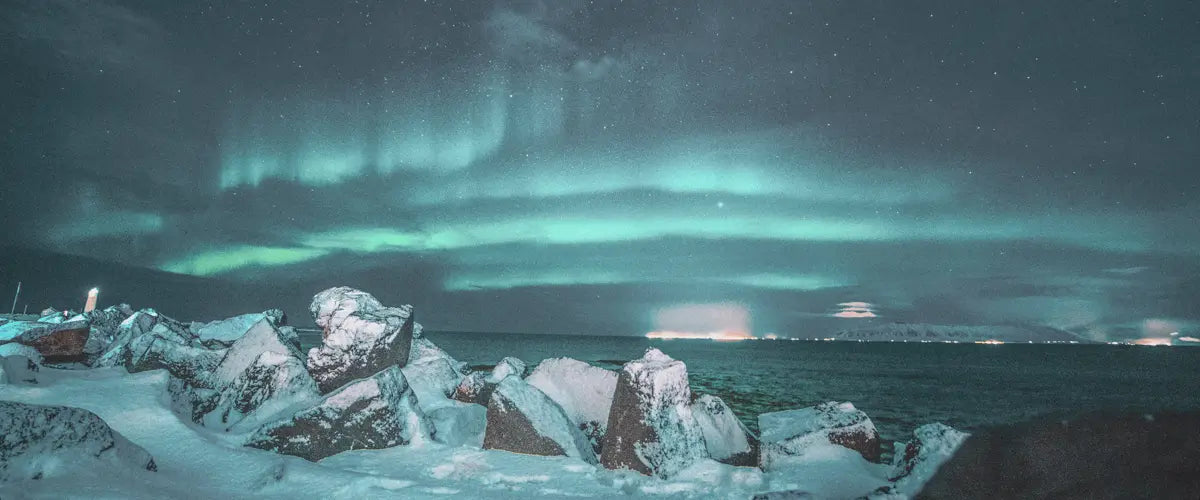
Spring is a great time of year to get up and see the Northern Lights, particularly toward the end of March, when the vernal equinox sets in. The Lights are likely to be more active, and provided you're happy to put up with slightly chilly temperatures, it's an amazing opportunity. The skies start to get brighter as the months progress, but that doesn't mean you're out of the woods when it comes to wind and wetness!
Iceland in summer
Summer in Iceland means the end of night-sky watching, but it's a great time of year to go exploring marine life around the coasts, particularly the stunning humpback whales. Now is your best shot, too, at exploring the cities and towns without too much cold and wet weather. In fact, many vacationers head here to go hiking and camping while taking photographs of the stunning natural landscapes.
Iceland in fall
Early fall is a great choice if you really want to avoid the largest crowds and to experience some pleasant weather without too many nasty surprises. That also means while attractions will still be open to an extent, prices for hotels and flights will usually fall. Considering how competitive it is to get an affordable break away in Iceland, it's certainly worth booking ahead for September through November if you're on a tight budget. Deeper into fall, you'll be able to see the Northern Lights in the rural reaches.
Iceland in winter
If you love vacations chilly and windswept, you should absolutely think about booking a break to Iceland between December and February. It's during this time that Iceland really starts to lean into festivities with special markets and displays — but be aware that many attractions might not be open again until next spring, and you won't always be able to see Aurora Borealis after November.
[esim flag="🇮🇸" label="Iceland" data="10GB · 30 days" price="$8.50" href="/products/iceland" benefits="Instant QR setup · Reliable 4G/5G · No contract"]Save on roaming with reliable data across Iceland[/esim]
What month is best to visit Iceland?
Generally, we recommend visiting Iceland either in late March to April, or around October time. This is the sweet spot for manageable weather and crowds, reasonable prices, and your best chances at getting to see the Northern Lights in person.
There are lots of good reasons to visit Iceland in the summer months too, of course. This is especially true if you're interested in adventure vacations or want to tick the country off your continental hiking bucket list.
Iceland can be expensive to visit across the year, so take heed and book flights and hotel rooms long before you intend to stay.
As always, we also recommend that you download an Iceland eSIM so that you can save even more money on mobile data use. The last thing you will want to come home to is a huge data roaming bill that you weren't expecting — and, at least you won't have to waste your vacation time looking for local SIMs!
Travel tips when visiting Iceland
Iceland is an exciting new destination for lots of people, and there are some tried-and-tested tips you should always follow if you're heading here for the first time. Here are just a few you'll want to test.
[warning]You're likely tempted to take lots of photos while exploring Iceland, but trust us — don't do it in the middle of the road! This might seem like an obvious point, but some people can really get enraptured by the beauty of it all![/warning] [warning]Some waves around the south coast beaches can prove treacherous — keep back at a safe distance so you don't get pulled into the water.[/warning] [tip title="Iceland is cashless and tap water is safe"]Iceland is, for the most part, cashless — it's a plastic paradise. Take some loose change, but don't worry about carrying money for the sake of it. The tap water's safe to drink, too, so don't waste cash on bottled H2O.[/tip] [tip title="Pack a sleep mask for the Midnight Sun"]The phenomenon known as the Midnight Sun means, even late at night in the warmer months, you may find it stays light! So, pack a sleep mask or book a hotel room with blackout curtains if you need the cover of night to relax.[/tip] [tip title="No tipping and no sales tax to worry about"]You don't have to worry about tipping when dining out in Iceland. All the service charges that apply are in the bill — and if you're coming from the US, you might be surprised to learn that you won't need to worry about taxes, either.[/tip] [faq] [q]When is the best time to visit Iceland?[/q] [a]Late March to April and around October offer the best balance of manageable weather, smaller crowds, reasonable prices, and good chances of seeing the Northern Lights. Summer is also popular for hiking, camping, and whale watching, while winter suits those who want a chillier, more festive experience.[/a] [q]What is Iceland's climate like?[/q] [a]Iceland's climate is milder than its subarctic location suggests, thanks to the Gulf Stream, which brings a moderate maritime climate rather than the harsh Arctic conditions many expect. Summer highs reach around 55°F, while weather can change rapidly due to colliding Arctic and Atlantic air masses.[/a] [q]When can you see the Northern Lights in Iceland?[/q] [a]The Northern Lights are best seen from fall through spring, with particularly active viewing around the end of March near the vernal equinox. Aurora Borealis typically isn't visible from around November through the depths of winter until dark skies return in spring, and it's not visible at all during summer's near-continuous daylight.[/a] [q]Is Iceland expensive to visit?[/q] [a]Yes — Iceland can be expensive to visit year-round, so booking flights and accommodation well in advance is strongly recommended. Prices do tend to drop somewhat during the fall shoulder season (September through November) compared to peak summer.[/a] [q]Do you need cash in Iceland?[/q] [a]Not really — Iceland is largely cashless, with card payments accepted almost everywhere. It's worth carrying a small amount of loose change just in case, but there's no need to carry significant cash for a typical trip.[/a] [q]Do I need an eSIM for visiting Iceland?[/q] [a]A SIMOVO eSIM for Iceland is a convenient way to save money on mobile data and avoid unexpected roaming bills throughout your trip. It also means no wasting vacation time hunting for a local SIM card on arrival.[/a] [/faq] [esim flag="🇮🇸" label="Iceland" data="10GB · 30 days" price="$8.50" href="/products/iceland" benefits="Instant QR setup · Reliable 4G/5G · No contract"]Get connected before you land in Iceland[/esim]