[takeaways] • A budget week in Australia costs up to $2,700 per person — mid-range up to $10,000, and luxury up to $20,000 or more.
• Economy flights from the US typically run $1,500–$1,800 per person — traveling March to November (outside peak season) consistently reduces this.
• Public transport cards like the Opal Card (Sydney) and Go-Card (Brisbane) significantly reduce travel costs within Australian cities.
• Bondi Beach, the Twelve Apostles, and many of Australia's natural sights are free to access — tours are optional but add cost.
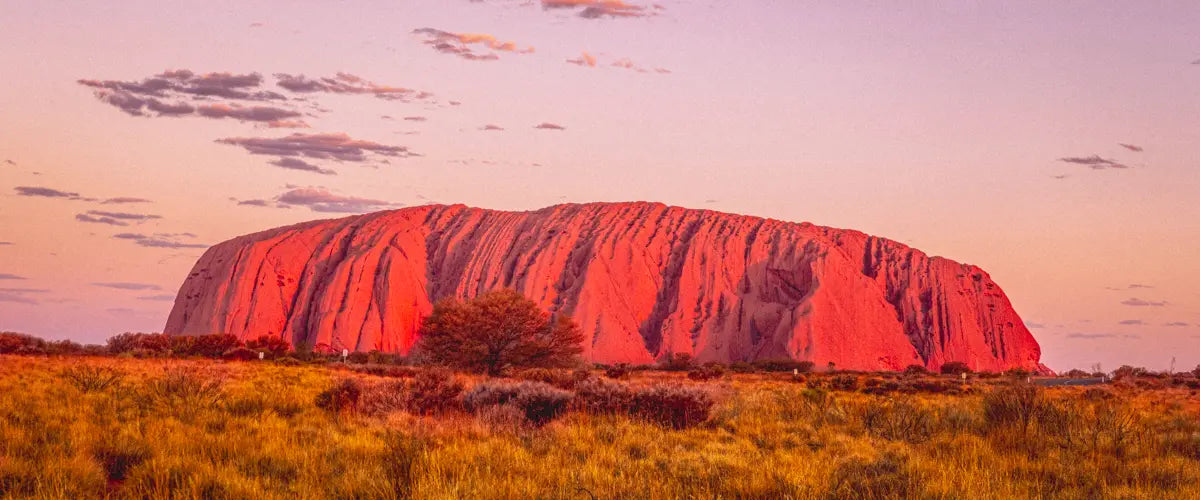
• Climbing Uluru is permanently banned — respect the cultural and spiritual significance of the site and explore via the guided walking trails instead. [/takeaways]
Australia is one of the world's great long-haul destinations — spectacular cities, extraordinary wildlife, and landscapes unlike anywhere else on earth. But how much does a trip actually cost? Here's a detailed breakdown per person, across budget, mid-range, and luxury tiers, covering everything from flights and accommodation to food, transport, and the country's best attractions.
All figures are estimates based on data at the time of publishing — use this as a planning template and always verify current prices before you travel.
Estimated cost of a trip to Australia
Here's how costs break down per person across three budget tiers and three trip lengths. Costs cover all major categories — flights are listed separately below.
| Tier | 1 week | 2 weeks | 3 weeks |
|---|---|---|---|
| Budget | Up to $2,700 | Up to $5,400 | Up to $8,100 |
| Mid-range | Up to $10,000 | Up to $20,000 | Up to $30,000 |
| Luxury | Up to $20,000+ | Up to $40,000+ | Up to $60,000+ |
Budget tier covers cheap hostels, supermarkets and street food vendors, and free activities. Luxury covers the best resorts, fine dining, and exclusive experiences. Mid-range falls comfortably between the two.
These figures are upper-limit buffers for each tier rather than a straight sum of the typical daily costs listed below — they're designed to give you a safe ceiling to budget against, with room for the occasional splurge, rather than a running total.
Flight costs to Australia
Flights naturally scale up the further you're traveling from. From the US, economy flights typically cost around $1,500–$1,800 per person minimum. From Asia or Europe, round trips can be found for considerably less.
[tip title="Travel March to November and book via Skyscanner well in advance"]Australia's peak season runs roughly December to February — coinciding with the Southern Hemisphere summer and the school holiday period. Traveling outside these months (March to November) consistently delivers lower flight prices. Always check Skyscanner several months in advance and compare direct versus one-stop options for the best fares.[/tip]
Accommodation costs in Australia
Hostel accommodation
Dorm beds in cities like Brisbane and Melbourne can be found for as little as $25–$40 per night — shared rooms with other travelers. The cheapest and most social option for budget travelers.
Mid-range hotel prices
Mid-range hotels typically cost $80–$300 per night during off-peak periods. Operators such as York Mansions and Miss Maud offer reliable comfort at competitive rates across several Australian cities.
Luxury hotel and resort prices
Luxury options — including the Capella Lodge on Lord Howe Island and the Jamala Wildlife Lodge in Canberra — start from at least $400 per person per night, with the best resorts escalating into the thousands.
Food and dining costs in Australia
Budget food options
Street food markets and local vendors offer excellent value across Australia. Eat Street in Brisbane is a great example of affordable, authentic street food. Budget around $10–$15 per person per day for meals on the budget tier.
Mid-range dining
Pub food and family establishments sit comfortably in the mid-range — budget around $20–$30 per person per day for a mix of pub meals and casual dining.
Fine dining and high-end restaurants
Australia's finest restaurants — particularly those specializing in seafood, city views, and wine — can reach $250+ per person. Reserve these for a special occasion or two rather than daily dining unless budget is no concern.
Nightlife and entertainment costs
A glass of wine typically costs around $10, a pint of beer around $8. Entry to clubs and events usually starts from $20 or more depending on the venue and act. Always check booking sites for pre-sale discounts on events.
Transportation costs within Australia
Public transport
According to the Expat Network, individual bus, train, ferry, and light rail trips typically cost $3–$10 depending on distance. Public transport costs across Australian cities have reduced significantly in recent years.
[tip title="Use city transport cards to reduce fares significantly"]Rocky Travel's guide to Australian transport cards covers the Opal Card (Sydney), Go-Card (Brisbane), and equivalents in other cities. These prepaid cards provide discounted fares compared to cash tickets and are essential for any visitor planning multiple journeys within a city.[/tip]
Car rental costs
Car hire in Australia ranges from around $20 to $900 per day depending on vehicle type and season. For exploring off-road and rural areas, an SUV at roughly $40 per day is usually the best balance of capability and cost. Always compare rates across multiple providers and book in advance during peak season.
Taxi and rideshare prices
The 13cabs app is worth using across Australia, alongside local private firms. Airport transfers from major city airports typically cost $50–$70. Night-time fares are higher — always ask for an estimate before you travel.
[esim flag="🇦🇺" label="Australia" data="10GB · 30 days" price="$9.40" href="/products/australia" benefits="Instant QR setup · Reliable 4G/5G · No roaming charges"]Cap your mobile data costs in Australia — no roaming surprises[/esim]
Costs of activities and attractions in Australia
| Attraction | Average cost per person (USD) |
|---|---|
| Sydney Opera House | Depends on the event — guided tours from $20 |
| Great Barrier Reef | Adventures and tours from $20 |
| Bondi Beach | Beach access free — surf lessons and tours from $50 |
| Taronga Zoo | Infants free — from $20 per person |
| Uluru (Ayers Rock) | Tour costs from $70 per person — three-day passes available |
| Twelve Apostles | Free to visit — tours from around $120 per person |
[warning]The Great Barrier Reef is one of the world's most ecologically sensitive environments. Always choose tour operators with strong environmental credentials and follow all reef conservation guidelines during your visit. Avoid touching coral, anchoring on reef, or using chemical sunscreen in the water — use reef-safe products only.[/warning] [warning]Climbing Uluru has been permanently banned since October 2019 out of respect for its immense cultural and spiritual significance to the Anangu people, the Traditional Owners of the land. Visitors can explore the area extensively via guided walking trails around the base of the rock — these offer an equally extraordinary experience and a far deeper understanding of the site's significance.[/warning] [faq] [q]How much does a trip to Australia cost?[/q] [a]A one-week budget trip to Australia costs up to $2,700 per person — covering cheap hostels, street food, free attractions, and public transport. A mid-range week runs up to $10,000, and a luxury week up to $20,000 or more. For two or three weeks, multiply accordingly. Flight costs from the US add $1,500–$1,800 per person on top for economy class.[/a] [q]How much are flights to Australia from the US?[/q] [a]Economy return flights from the US to Australia typically cost $1,500–$1,800 per person at standard rates. Flights from Asia and Europe are generally cheaper. Traveling outside peak season (March to November rather than December to February) and booking several months in advance via Skyscanner consistently delivers the best prices.[/a] [q]What is the cheapest time to visit Australia?[/q] [a]March to November is generally the most affordable period for both flights and accommodation in Australia. The peak season of December to February — coinciding with the Southern Hemisphere summer and school holidays — brings the highest prices across all categories. April to June and September to November offer an excellent balance of competitive prices and pleasant conditions across most of the country.[/a] [q]What is the best way to get around Australia?[/q] [a]For city travel, public transport using city-specific prepaid cards (Opal Card in Sydney, Go-Card in Brisbane) is the most affordable option. For regional and rural exploration, hiring a car — particularly an SUV for off-road access — gives the most flexibility. Taxi apps like 13cabs are useful for transfers and short urban journeys. Australia's distances between major cities are significant — internal flights are worth considering for long-haul legs of a multi-city trip.[/a] [q]What are the cheapest things to do in Australia?[/q] [a]Bondi Beach, the Twelve Apostles, and most of Australia's coastal beaches are free to access. Many city parks, markets, and cultural areas are also free. Street food markets like Eat Street in Brisbane offer excellent value meals. Taronga Zoo offers some of the most accessible Australian wildlife viewing from $20 per person. Guided walking trails around Uluru are free — the climbing ban is permanent, but the walks are extraordinary.[/a] [q]Do I need an eSIM for Australia?[/q] [a]A SIMOVO Australia eSIM is one of the most practical additions to any Australian trip. At $9.40 for 10GB over 30 days, it activates on landing, connects you to Australia's best available networks, and keeps you navigating, finding restaurants, and staying in touch — without unexpected roaming charges when you get home.[/a] [/faq] [esim flag="🇦🇺" label="Australia" data="10GB · 30 days" price="$9.40" href="/products/australia" benefits="Instant QR setup · Reliable 4G/5G · No roaming charges"]Cap your mobile data costs in Australia — no roaming surprises[/esim]