[takeaways] • Morocco offers far more than Saharan dunes — from ancient medinas in Marrakech and Fez to Atlas Mountain hikes, coastal towns, and some of North Africa's best food and hospitality.
• The best time to visit for desert activities is October to April, when temperatures are warm but not overwhelmingly hot.
• Moroccan riads — courtyard homes built into the walls of ancient cities — offer some of the most distinctive and personal hospitality experiences in the region.
• Never drink tap water in Morocco — bottled water only, and update your typhoid and Hepatitis A vaccinations before you travel.
• Non-Muslims are not permitted to enter Morocco's mosques, and most souks and shops close early on Fridays as a holy day.
• A SIMOVO eSIM for Morocco keeps you connected to navigate medinas, find recommended attractions, and explore coastal spots without hunting for WiFi. [/takeaways]
From the endless sand dunes of the Sahara Desert to the majestic Atlas Mountains looming beyond, there's a lot more to Morocco than you might expect. It's home to curious city escapes and national parks, and is in many ways a genuine step back into the past — a perfect vacation choice for anyone keen to learn more about North African culture.
In this guide, we take a close look at some of the best things to do in Morocco — whether you're heading here for a week, two weeks, or maybe even longer.
Why visit Morocco?
Morocco is picking up more and more interest with travelers exploring North Africa and the wider region — and for good reason. It's famous for offering incredible access to the Sahara, where you can trek with camels and gaze up at a star-lit sky after dark. Its cities — such as Rabat, Fez, and Marrakech — are bustling and vibrant, offering a unique break for anyone drawn to curious architecture and thriving market scenes. The country is also popular with mountaineers thanks to the Atlas Mountains, and the food alone — traditional tagine, harira soups, and pastilla pies — is reason enough to visit.
If you're concerned about temperatures, a winter break in Morocco is often mild and comfortable. At the height of summer, average temperatures regularly exceed 86°F, with very dry conditions thanks to the desert climate. Up in the Atlas Mountains, of course, it's cooler — but be prepared for altitude sickness if you're not used to heights.
Things to do in Morocco: must-do bucket list ideas
From exploring medinas to trekking dunes and park spaces, Morocco has more to offer than most first-time visitors anticipate. Here are some of the SIMOVO team's top recommendations to get you started.
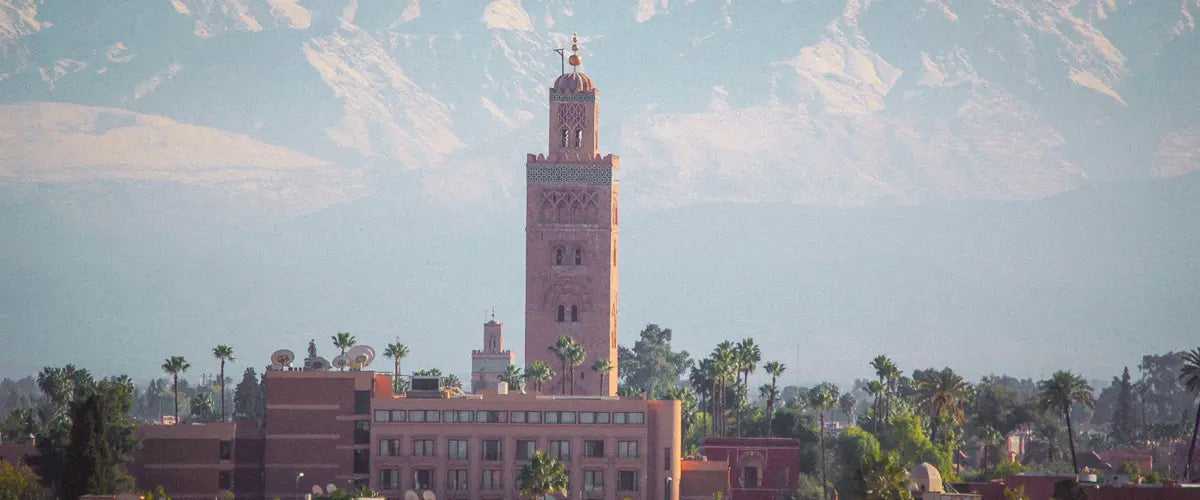
[numbered title="Explore the Sahara under the stars" pill="Desert experience"]Some of the clearest stargazing spots in the region are found right here in the Sahara — and heading out after dark is one of the best ways to experience it. Staying overnight on the sands is possible with the right tour provider. The SIMOVO team recommends visiting between October and April, when you can enjoy most desert activities without the intense summer heat.[/numbered] [numbered title="Wander through Moroccan medinas" pill="History and culture"]Morocco's ancient medinas are must-visits at any point during your trip. The stunning city of Marrakech is a genuine maze of ancient streets, religious architecture, and street performers — and if you're lucky, snake charmers too. History lovers should also make time for Fez, one of the world's oldest continuously inhabited cities, still rich with the medieval architecture it became known for over a millennium ago.[/numbered] [numbered title="Go mountaineering or gorge hiking" pill="Adventure and hiking"]The Atlas Mountains run for hundreds of miles and are accessible from the desert — but some peaks are reserved for experienced mountaineers, so always explore with a guide. Todra Gorge is another standout: a limestone canyon along the Todra River with cliffs up to 400 meters high and more than 100 climbing routes for experienced visitors.[/numbered] [numbered title="Stay in a Moroccan riad" pill="Unique accommodation"]Moroccan riads offer some of the most distinctive hospitality experiences in the region — courtyard homes built into Morocco's walled cities, featuring intricate tilework, intimate spaces, and highly personal service. They're a memorable alternative to standard hotels, and their central location makes them ideal bases for city exploration.[/numbered] [numbered title="Relax along the coastlines" pill="Atlantic & Mediterranean"]Morocco's coastline spans both the Atlantic and the Mediterranean, and is popular with surfers and sunbathers alike. Highlights include the celebrated coastal city of Essaouira, the lagoon at Oualidia, and the modern resort town of Agadir. It's a genuinely great-value alternative to more heavily touristed Mediterranean destinations, with hundreds of days of sunshine and real coastal serenity.[/numbered] [esim flag="🇲🇦" label="Morocco" data="10GB · 30 days" price="$15.20" href="/products/morocco" benefits="Instant QR setup · Reliable 4G/5G · No contract"]Stay connected across Morocco — navigate medinas and find attractions without hunting for WiFi[/esim]
Travel tips for Morocco
If it's your first time exploring Morocco, here are some tips to make your visit more comfortable and enjoyable.
[warning]Never drink tap water in Morocco — it carries a risk of making you ill. Stick to bottled water throughout your trip and avoid asking for tap water at restaurants. Keep bottled water with you at all times, especially when exploring medinas and desert areas.[/warning] [warning]Update your travel vaccinations before you go. Typhoid and Hepatitis A shots are both highly recommended for Morocco. Check with your doctor or a travel health clinic well in advance of your departure date.[/warning] [tip title="Haggle at markets and souks — it's expected"]Across Morocco's markets and souks, haggling is a normal and expected part of the buying process. You don't have to pay the tagged price — be polite, but hold firm to a fair rate. Always carry smaller denominations in local dirhams, which traditional traders will appreciate.[/tip] [tip title="Check whether your accommodation accepts cards"]You can often pay by card at resorts and hotels, but this isn't universal — always confirm beforehand. Carrying some local dirhams for markets, street food, and smaller vendors is essential.[/tip] [tip title="Download offline city maps before you travel"]Morocco's medinas can be genuinely labyrinthine, and mobile signal isn't always reliable in the older parts of cities. Download offline maps before you set off — and load up a SIMOVO eSIM for Morocco so you always have data as a backup.[/tip] [warning]Non-Muslims are not permitted to enter mosques in Morocco. Always respect this rule when visiting — attempting to enter a mosque as a non-Muslim is not only disrespectful but may result in being turned away or causing offense. Admire the architecture from outside and seek out open religious sites that do welcome visitors.[/warning] [tip title="Plan around Friday closures"]Most souks and shops close early on Fridays, which is observed as a holy day in Morocco. If you're planning a market visit, avoid Friday afternoons and build your itinerary accordingly.[/tip] [faq] [q]What are the best things to do in Morocco?[/q] [a]Morocco's top experiences include exploring the ancient medinas of Marrakech and Fez, trekking the Sahara Desert by night, hiking or mountaineering in the Atlas Mountains, climbing the limestone cliffs of Todra Gorge, staying in a traditional riad, and relaxing along the Atlantic and Mediterranean coastlines at Essaouira, Oualidia, or Agadir.[/a] [q]When is the best time to visit Morocco?[/q] [a]October to April is the most comfortable time to visit Morocco, particularly for desert activities, as temperatures are warm without being overwhelming. Summer (June to August) brings intense heat — regularly above 86°F — especially in desert regions. Winter is mild and pleasant across most of the country.[/a] [q]Is Morocco safe for tourists?[/q] [a]Morocco is a popular and generally safe destination for tourists. Standard precautions apply — keep valuables secure, use reputable tour operators for desert and mountain trips, and be aware of your surroundings in busy medinas and souks. Always drink bottled water and ensure your vaccinations are up to date before you travel.[/a] [q]What is a Moroccan riad?[/q] [a]A riad is a traditional Moroccan home built around a central courtyard, often found within the walls of ancient medinas. Many have been converted into boutique guesthouses and small hotels, offering intricate tilework, intimate spaces, and highly personal hospitality. Staying in a riad is widely considered one of the most authentic ways to experience Morocco.[/a] [q]Can tourists enter mosques in Morocco?[/q] [a]No — non-Muslims are not permitted to enter mosques in Morocco. This is a firm rule observed across the country. Morocco's religious architecture is still stunning to admire from outside, and there are other historical and cultural sites that are open to all visitors.[/a] [q]Do I need an eSIM for Morocco?[/q] [a]A SIMOVO eSIM for Morocco is a convenient way to stay connected throughout your trip — useful for navigating the winding streets of medinas, finding recommended restaurants and attractions, and keeping in touch while exploring desert and mountain areas. It means no hunting for a local SIM card on arrival.[/a] [/faq] [esim flag="🇲🇦" label="Morocco" data="10GB · 30 days" price="$15.20" href="/products/morocco" benefits="Instant QR setup · Reliable 4G/5G · No contract"]Get connected before you land in Morocco[/esim]