[takeaways] • Mexico is one of the most biodiverse countries in the Americas, home to more than 500 mammal species and more rodent species than anywhere else on Earth.
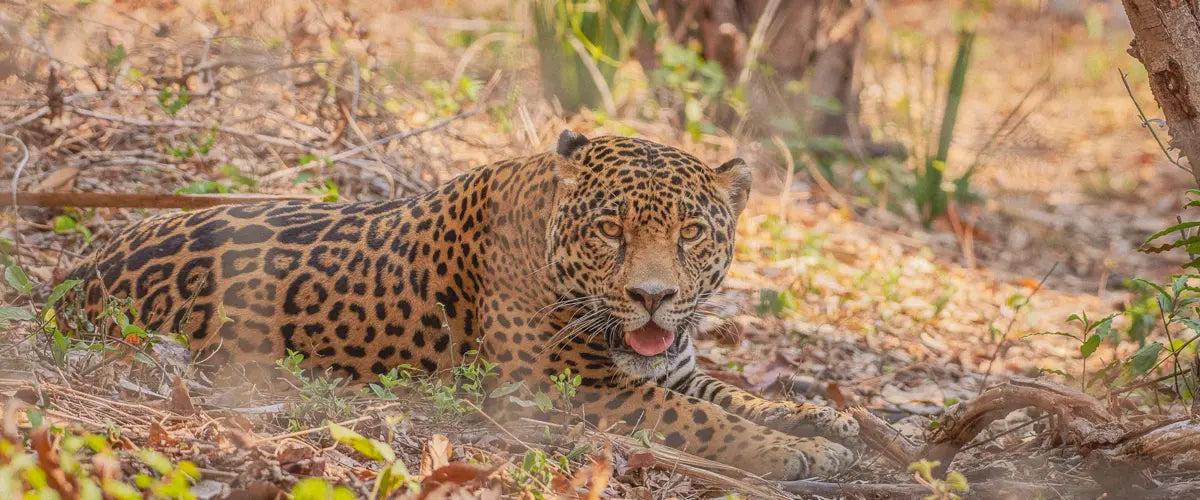
• Standout spots: spider monkeys and jaguars in the jungles, whale sharks off La Paz and Isla Mujeres, sea turtles nesting on the Oaxaca coast, and millions of monarch butterflies in the Central Highlands.
• Magdalena Bay is prime gray whale territory in mid- to late-winter, while Loreto, further north in the Sea of Cortez, is the spot most commonly recommended for blue whales.
• The Calakmul Biosphere Reserve and Sumidero Canyon are two of the best places to combine wildlife spotting with stunning scenery.
• Tipping culture runs 10 to 15%, tap water isn't safe to drink, and altitude sickness is a real risk in high-up spots like Mexico City.
• A SIMOVO eSIM for Mexico keeps you connected on safari, with data ready to go before you land. [/takeaways]
It's pretty safe to say that there are plenty of great reasons to head to Mexico across the year. Whether you want to check out the city scenes or to relax on the beach, you've got plenty of choices if you're heading here for the first time. But, did you also know that it's a great place to go animal watching?
Mexico happens to be one of the most biodiverse countries in the Americas, boasting an incredible array of marine life, colorful flora, and curious land mammals. You just need to know where to look if you'd like to spot them all – and, it should go without saying that respecting the local animals' habitat here (and indeed anywhere) is a must.
Before you embark on any kind of safari adventure, however, remember to buy and download a Mexico eSIM for your phone. SIMOVO's fantastic range of eSIMs lets you top up with all the data you need before you travel, meaning you won't have to even think about running up a huge roaming bill. Just take time to enjoy Mexico at its most beautiful, and to tick off a few must-see animals on your "seen" list!
[esim flag="🇲🇽" label="Mexico" data="10GB · 30 days" price="$22.50" href="/products/mexico" benefits="Instant QR setup · Reliable 4G/5G · No contract"]Get connected before you head into the jungle or out on the water, so you can share every sighting as it happens[/esim]
What animals can you spot in Mexico?
It's noted that Mexico is home to an absolutely staggering number of different species for its relative size. In fact, it's thought that there are more than 500 different species of mammals living here, and as Chimu Adventures states, it's said to have the largest number of rodent species compared to anywhere else on the planet.
Thanks to the country's fascinating range of jungles, deserts, and coral reefs, the animals you can expect to find here really depend on where in Mexico you actually go! A little more on that below.
Here are just some of the critters you might be able to spot while touring the region.
[numbered title="Spider monkeys" pill="Jungle canopy acrobats"]Head into Mexico's jungle areas and you will very likely see spider monkeys swinging overhead! These highly agile primates are also commonly spotted close to areas such as Coba, and even if you don't see them right away, you'll be able to hear their rustles from above.[/numbered] [numbered title="Agouti" pill="Harmless forest rodent"]Agouti are truly fascinating beasts that are forest locals. They are rather like big guinea pigs but with similar traits to that of deer species – and unlike many rodents, they have only a very short, barely visible tail! You can rest assured that these critters are completely harmless.[/numbered] [numbered title="Monarch butterflies" pill="Winter fir-forest migration"]If you prefer spotting animals that flutter around adding color to the air, you'll want to head to the fir forests in wintertime, when the famously black-and-orange monarch butterflies will migrate across the world for a vacation. They're truly magnificent to see in groups![/numbered] [numbered title="Whale sharks" pill="The ocean's biggest fish"]The biggest fish on the planet frequently calls the waters around Mexico home, and you'll usually be able to spot them feeding and swimming around the Bay of La Paz from around November through to May. In summer time, be sure to check out the Isla Mujeres coast.[/numbered] [numbered title="Sea turtles" pill="Nesting season favorites"]As Plan South America states, Mexico is one of the best places in the world to watch sea turtles in their natural habitat, thanks mainly to the fact the majority of the world's species can be found here. The Pacific Coast along Oaxaca, for example, is a wonderful place to visit if you'd like to see turtles during nesting season, and to learn more about conservation efforts.[/numbered] [numbered title="Big cats galore" pill="Jaguars, ocelots, and pumas"]As Plan South America further states, Mexico is also great for spotting big cats – jaguars, ocelots, and pumas, for example, can be found living across the region's extensive forests and reserves. Spotting beasts such as jaguars can be somewhat rare, so it's usually best to book a visit to a reserve where you can learn more about these beasts from a guide.[/numbered] [numbered title="Eagles and albatrosses" pill="Birds of prey and more"]Any keen birdwatchers who have visited this corner of the world will also tell you that Mexico is a superb location for spotting some of the planet's most fearsome but majestic birds of prey. The golden eagle, for example, is an emblem of Mexico – and, if you're lucky, you might be able to spot albatrosses, owls, vultures and more across reserves. If you prefer birds that are a little bit on the odd side, Mexico is also great for spotting flamingoes, hummingbirds, toucans, and more.[/numbered]
Where are the best places to go wildlife spotting in Mexico?
Generally, the best places in Mexico to go watching animals are nature reserves – but, especially in the case of marine life, there are a few safe ways you can see wild creatures up close in their habitats.
We highly recommend checking out Magdalena Bay, for example, if you want to spot gray whales during their breeding and calving season during mid- to late-winter. For orcas, it's certainly worth checking out Cabo San Lucas – though if blue whales are what you're after, Loreto, further north in the Sea of Cortez, is the spot most commonly recommended instead.
If you're set on spying the most colorful of jungle critters and plant life, consider taking a tour to the Calakmul Biosphere Reserve, the biggest protected tropical forest of its kind in Mexico (you'll find it in the Yucatán Peninsula). It's part of a UNESCO World Heritage Site, and is actually a critical habitat for many threatened species, several of which are endemic to the region.
Head to the Central Highlands, however, and you'll be able to spy hundreds of millions of monarch butterflies during migrations – they absolutely cover trees and forests in clusters!
You can also spy tropical birds and even a few crocodiles if you decide to explore the Sumidero Canyon. It's usually worth planning an itinerary around several of these sites if you'd like to watch as many critters as possible!
Top Mexico travel tips
Regardless of whether you're visiting Mexico for the wildlife or not, there are always some tips worth following to make sure your trip goes as smoothly as possible. Based on our own personal experiences, here are some top Mexico travel tips to keep in mind while touring the region.
[tip title="Factor in tipping culture"]When dining out in Mexico, keep in mind that tipping culture usually expects you to pay an extra 10 to 15% on your bills. This applies to hiring tour guides, too – so make sure to do the math before you settle up.[/tip] [warning]Don't drink tap water while exploring Mexico – it's not safe. Drink bottled water or purified H2O instead. That also applies when it comes to making ice and rinsing your mouth from brushing your teeth, too.[/warning] [warning]Some areas of Mexico are truly high up in the heavens – Mexico City, for example, may be a shock to anyone who isn't used to high altitudes. Stay hydrated and make sure you take altitude sickness medication if applicable.[/warning] [tip title="Time your trip for dry season"]Ideally try and travel between December and April so you get to experience Mexico at its driest and most comfortable. However, you may wish to adjust this based on the animals you'd like to see![/tip] [tip title="Stick to trusted rides"]If you're exploring the cities, stick to using known entities such as Uber to hail cabs, rather than to hail taxis from ranks. It's also wise to check that drivers are running their meters before setting off (this is good practice no matter where you go).[/tip] [faq] [q]What animals can you spot in Mexico?[/q] [a]Highlights include spider monkeys, agoutis, monarch butterflies, whale sharks, sea turtles, big cats like jaguars and ocelots, and birds such as the golden eagle.[/a] [q]Where's the best place to see whale sharks in Mexico?[/q] [a]The Bay of La Paz from around November through May, and the Isla Mujeres coast between June and September, peaking in July.[/a] [q]Where can you see blue whales in Mexico?[/q] [a]Loreto, further north in the Sea of Cortez, is the spot most commonly recommended for blue whales. Cabo San Lucas is better known for orcas and humpbacks.[/a] [q]When is the best time to visit Mexico for wildlife spotting?[/q] [a]December through April is generally the driest and most comfortable stretch, though the ideal timing depends on which animals you want to see.[/a] [q]Is tap water safe to drink in Mexico?[/q] [a]No – stick to bottled or purified water throughout, including for brushing your teeth and making ice.[/a] [/faq] [esim flag="🇲🇽" label="Mexico" data="10GB · 30 days" price="$22.50" href="/products/mexico" benefits="Instant QR setup · Reliable 4G/5G · No contract"]Grab a Mexico eSIM and stay connected from the jungle canopy to the coast[/esim]