[takeaways] • Argentina's seasons are reversed from the Northern Hemisphere — the warmest months are December, January, and February, making summer in the US or UK winter in Argentina. • The best months to visit Argentina are March, September, and October — shoulder seasons with mild weather, fewer crowds, and fewer trail closures. • Spring (March–May in Argentina) is the best time to visit vineyards around Mendoza and explore the changing landscape; fall (September–November) is ideal for wildlife watching at Península Valdés and visiting the Iguazú Falls. • Winter sports in the Andes are best between June and August; city breaks to visit Buenos Aires are comfortable across spring and fall. • Some Patagonia hiking trails close in winter and early spring — check conditions before you go. • A SIMOVO eSIM for Argentina keeps you connected to monitor weather, trail conditions, and more — though mobile data can be spotty in remote Patagonia areas. [/takeaways]
Whether you want to make the most of Argentina's stunning hiking trails, or intend to visit Buenos Aires and other city metropolises, it really does pay to time your trip carefully. If you're traveling from the Northern Hemisphere, keep in mind that the warmest months here are in December, January, and February.
Picking the best time to travel to Argentina depends on what you'd like to do when you're here. March through May is great for watching the landscape change, while September through February is ideal for city breaks. In this guide, we take you through what to expect from the Argentine climate — and when the best time to visit is, based on your plans.
What is the climate like in Argentina?
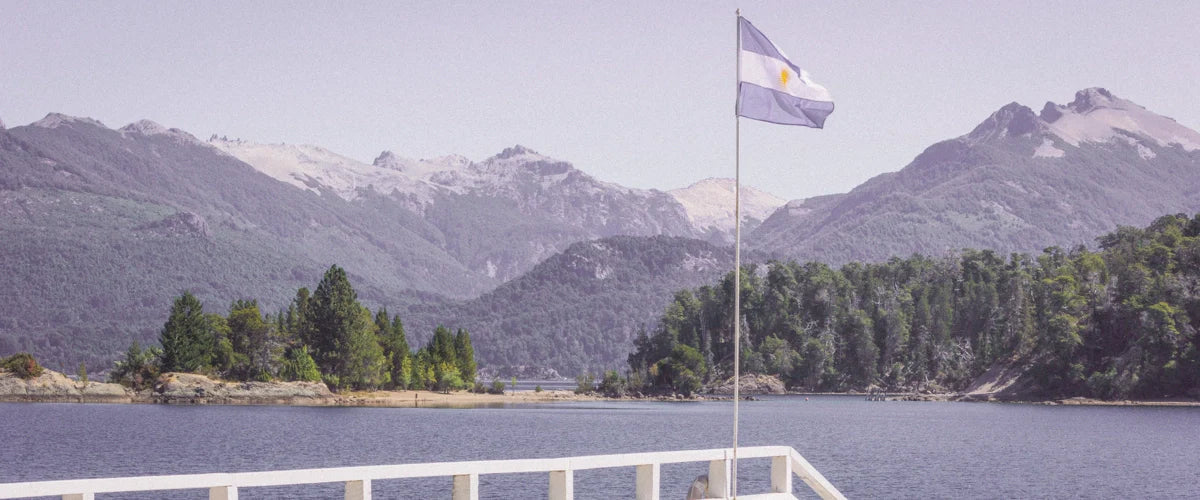
Argentina is a large country, so it's wise to look at its climate from a compass perspective. To the north, expect subtropical weather — intense summers and dry winters. Down south in Patagonia, summer days are cooler and winters are bitterly cold, making the region popular for winter sports. Out west, conditions are arid, with dry winds known as the Zonda worth preparing for. Toward the center-east, you'll find cities like Buenos Aires, where spring and fall tend to offer the most comfortable weather and a good time to explore the capital at its best.
Crucially, summers and winters in Argentina can be very intense. If you're touring the country over several months, it's worth planning your route around the seasons so you stay comfortable. For many visitors, of course, extreme weather is part of the experience — especially if you're chasing a tan or heading to the slopes.
[esim flag="🇦🇷" label="Argentina" data="10GB · 30 days" price="£18" href="/products/argentina" benefits="Instant QR setup · Reliable 4G/5G · No contract"]Stay connected across Argentina — monitor weather, trail conditions, and more with prepaid data[/esim]
Best time to travel to Argentina by season
The seasons below are referenced from a Northern Hemisphere perspective — so spring in the US or UK means fall in Argentina, summer means winter, fall means spring, and winter means summer. Once you've gotten used to flipping the seasons around, it's easy to plan your packing accordingly.
Argentina in Spring
Travel to Argentina between March and May and you'll get to enjoy the country's landscape changing to copper colors from north to south. It's a popular time of year to explore local vineyards and tour the mountainscapes, and there's not much rain expected — so don't feel pressured to pack anything waterproof. The vineyards around Mendoza are particularly worth checking out at harvest time, and flights and accommodations tend to be among the most reasonable of the year.
[tip title="Spring is the best time to visit Mendoza's wine country"]March through May coincides with Argentina's grape harvest season, making it the ideal time to tour the vineyards around Mendoza. Prices are lower than peak season and the landscapes are stunning — just note that some Patagonia hiking trails may still be closed.[/tip]
Argentina in Summer
June through August serves up ideal winter sports conditions, especially up in the Andes. Temperatures are usually comfortable in Mendoza, and in most tourist resorts, crowds are at their minimum — giving you a great chance to check off your list of things to do in Buenos Aires, too. As it's Argentina's winter, however, you're likely to face freezing temperatures in many locations — especially the further south you go. Migrating north or wrapping up warm is strongly recommended.
Argentina in Fall
Fall is a great time of year to visit areas like Península Valdés or the Iguazú Falls, as temperatures are milder and rainfall is at a minimum in many areas. It's excellent for boat tours of the waterways, and one of the best windows to spot seals and penguins at Península Valdés. City breaks to Buenos Aires and other major cities are also particularly enjoyable at this time of year.
[warning]If you're planning to visit Patagonia hiking trails in fall (September–November), be aware that the south of Argentina can be icy and conditions perilous even in the country's spring. Check trail status before you go and plan for possible closures.[/warning]
Argentina in Winter
Argentina's winter — December through February — brings hot and humid weather to the north, making it a great time for marine and wildlife watching. The cities really come alive this time of year, and the long sunny days make it absolutely the best time to go hiking across much of the country.
It's also the most expensive and busiest season, so book ahead wisely. If you want to avoid the crowds and get good weather without the peak-season price tag, a shoulder season visit in March or October will serve you better.
When is the best month to visit Argentina?
The best month to visit Argentina depends on what you'd like to do, but March, September, and October are the standout picks. These shoulder seasons offer the mildest weather and are the least likely to bring heavy crowds or trail closures. Argentina's climate swings between extremes — so if you want to avoid intense humid weather or a deep freeze, prioritize traveling in the country's fall or spring. The colder it gets, the more likely hiking trails and some attractions will be closed; the warmer it gets, the more likely you are to find crowds. Strike a balance based on what matters most to you.
Travel tips for Argentina
If it's your first time visiting Argentina, here are some tips from the SIMOVO crew to help you make the most of your trip.
[tip title="Use official taxis and ride-hailing apps"]While Argentina is reasonably safe for tourists, always keep valuables secure when out and about, and stick to official taxi services or ride-hailing apps rather than hailing unmarked vehicles.[/tip] [tip title="Download maps before heading into remote Patagonia"]Even with good mobile coverage, data access can be spotty in remote areas of Patagonia. Download offline maps and any other content you'll need before you set off — don't rely on a live connection once you're on the trail.[/tip] [tip title="Tap water is safe to drink in Argentina"]Unlike some South American destinations, faucet water is completely safe to drink across Argentina. You only need to consider bottled water if you're traveling far outside the main cities.[/tip] [tip title="Plan around Argentina's late dining culture"]Dinner in Argentina is typically eaten after 9pm — so when enjoying the food in Argentina, stay up later than you might at home. Sharing dishes is the norm, and using a knife and fork for most meals is expected — table manners matter here.[/tip] [tip title="Check your bill before tipping"]A 10% tip is standard in most Argentine restaurants, but it's often already included in the bill. Rounding up is a simple and appreciated way to thank your server — just check the itemization first.[/tip] [faq] [q]What is the best time to visit Argentina?[/q] [a]March, September, and October are the best overall months to visit Argentina. These shoulder seasons offer mild weather, manageable crowds, and fewer trail and attraction closures than the peak summer months (December–February) or the depths of winter (June–August).[/a] [q]When is the best time to visit Patagonia?[/q] [a]The best time to visit Patagonia for hiking is during Argentina's summer — November through February — when trails are open and daylight hours are long. Winter and early spring can bring icy, dangerous conditions on many trails, and some routes close entirely. Always check conditions before you go.[/a] [q]What are Argentina's seasons compared to the Northern Hemisphere?[/q] [a]Argentina's seasons are reversed. When it's summer in the US or UK (June–August), it's winter in Argentina. December, January, and February are the warmest months. Spring in Argentina runs from September to November, and fall runs from March to May.[/a] [q]When is the best time to visit Península Valdés and the Iguazú Falls?[/q] [a]Fall (September–November) is generally the best time to visit both Península Valdés and the Iguazú Falls. Temperatures are mild, rainfall is lower, and it's one of the best windows for wildlife watching — including seals and penguins at Península Valdés. Boat tours of the Iguazú Falls are also particularly good during this period.[/a] [q]Is it safe to drink tap water in Argentina?[/q] [a]Yes — faucet water is completely safe to drink across Argentina, including in Buenos Aires and most major cities. You may want to carry bottled water if traveling to very remote areas, but this is generally not a concern in populated destinations.[/a] [q]Do I need an eSIM for Argentina?[/q] [a]A SIMOVO eSIM for Argentina means you have prepaid data ready to go from the moment you land — useful for monitoring weather, checking trail conditions, and navigating between cities. Note that coverage can be limited in very remote parts of Patagonia, so download offline maps before heading off the beaten track.[/a] [/faq] [esim flag="🇦🇷" label="Argentina" data="10GB · 30 days" price="£18" href="/products/argentina" benefits="Instant QR setup · Reliable 4G/5G · No contract"]Get connected before you land in Argentina[/esim]