[takeaways] • Italy has a rolling tourist season year-round, but the best overall months to visit are April, May, September, and October — mild weather, manageable crowds, and lower prices.
• Summer (June–August) is blazing hot and peak-season expensive; spring and fall offer a much better balance for sightseeing.
• Fall is Italy's best season for food and wine lovers — grapes are being harvested, al fresco dining is comfortable, and the crowds have thinned.
• Winter is the low season for most of Italy, but ideal for skiing in the Alps and visiting attractions like Vatican City and Venice without the summer rush.
• Driving into ZTL (restricted traffic zones) in Italian cities without a permit can result in fines — know where they are before you drive.
• A SIMOVO eSIM for Italy keeps you connected to check opening times, track the weather, and navigate wherever you are. [/takeaways]
Italy is one of those rare destinations that genuinely rewards a visit at any time of year — but that doesn't mean every month is equal. The summer heat can make sightseeing uncomfortable, peak season pushes prices up, and some attractions close in the quieter months. Getting the timing right makes a real difference.
Whether you're building your first Italy itinerary or looking to return at a different time of year, this guide breaks down what to expect from each season, picks out the best months for Italy's top attractions, and covers the travel tips worth knowing before you fly.
Italy Weather and Travel Seasons Explained
Italy enjoys the classic Mediterranean climate — hot and bright in summer, cool and refreshing in winter. Much like Cyprus and Greece, a summer vacation here is almost certain to be sweltering. Head to the alpine regions of the north, however, and winter brings heavy snow and some of Europe's best skiing conditions.
Italy is one of few destinations with a genuinely rolling tourist season. Crowds thin in the shoulder months, but people come year-round — for winter sports, for summer sun, and for the cultural and culinary experiences that make fall and spring so popular with food and wine lovers.
[esim flag="🇮🇹" label="Italy" data="10GB · 30 days" price="$8.50" href="/products/italy" benefits="Instant QR setup · Reliable 4G/5G · No contract"]Stay connected across Italy — check opening times, weather, and more with reliable data[/esim]
Italy by Season
Italy has four very distinct seasons, each with its own appeal. Here's what to expect from each one.
Italy in Spring
Spring is popular with travelers who want to experience Italy at its most affordable and most manageable. Temperatures are pleasant, crowds are light through April and early May, and the landscapes are at their most photogenic as things come into bloom. Early spring can see some attractions closed depending on weather, so aiming for May gives you the widest range of options. For city touring and enjoying the countryside without the tourist noise, spring is an excellent choice.
Italy in Summer
Summer in Italy is intensely hot — sightseeing between June and August can be uncomfortable unless you're well-prepared. The further north you travel, the more humid conditions become; the south tends to be drier and more arid. It's also peak travel season across Europe, meaning higher prices for flights and accommodations.
[tip title="Beat the summer heat with smart planning"]If you're visiting Italy in summer, start sightseeing early in the morning before temperatures peak, take a long midday break in the shade or indoors, and stay well hydrated throughout the day. Pack high-SPF sunscreen — UV levels here are intense.[/tip]
Italy in Fall
Fall is arguably Italy's finest season for food and wine lovers. The heat eases, the crowds thin, the sea stays warm, and grapes are in full harvest — meaning exceptional wines are available throughout the season. Al fresco dining becomes genuinely comfortable again, and costs drop noticeably from summer highs. Pack a waterproof layer for mid-fall, when rainfall increases, though it's generally milder than what northern and western Europe experiences.
Italy in Winter
Winter is Italy's low season for beach tourism, but it's excellent for winter sports and for visiting major cultural attractions without the summer crowds. The Alps offer some of Europe's best skiing and snowboarding conditions, and cities like Rome, Florence, and Venice are far more pleasant to explore when the summer masses have gone home.
Best Months to Visit Italy
The SIMOVO crew's collective recommendation is to aim for April, May, September, or October. These shoulder months deliver the best balance of good weather, open attractions, manageable crowds, and sensible prices — without the extremes of summer heat or winter quiet. They're also the best choice if you're traveling on a budget or want to make the most of your money while you're here.
Best Time to Visit Italy's Top Attractions
If you're thinking through Italy trip costs and want to time your visit to specific attractions well, here's the SIMOVO crew's quick breakdown by site.
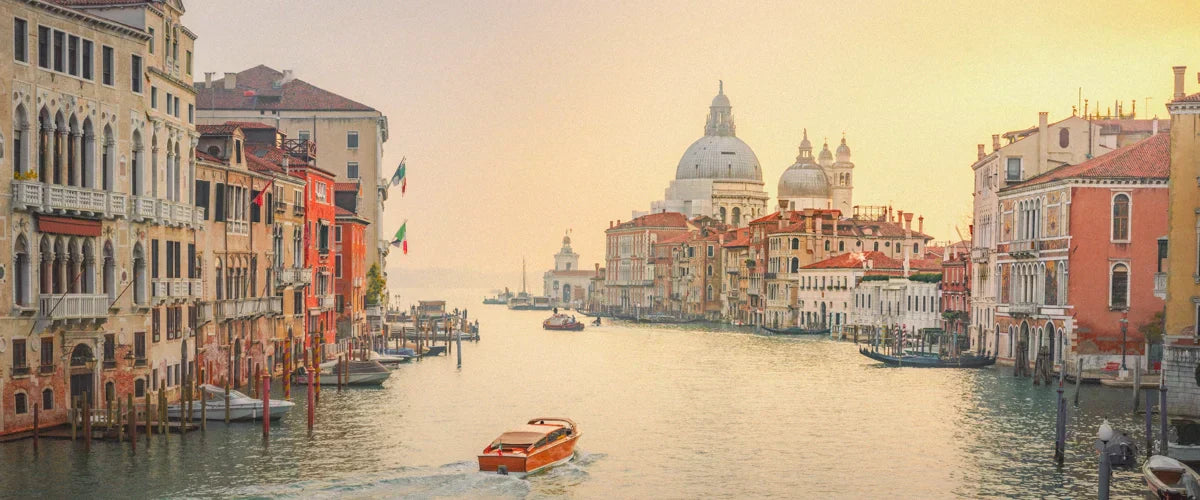
[numbered title="The Colosseum" pill="Spring or fall"]Both seasons offer comfortable temperatures for outdoor exploration and smaller crowds than the summer peak. Spring brings fresh landscapes on the approach; fall offers golden light and harvest-season atmosphere.[/numbered] [numbered title="The Amalfi Coast" pill="Late spring or early fall"]Late May and September are the sweet spots for the Amalfi Coast — warm enough for the water, but without the intense heat and congestion of July and August. An Amalfi Coast itinerary in September is a particularly good call for avoiding crowds.[/numbered] [numbered title="Lake Como" pill="Summer or fall"]Lake Como is at its most vibrant in summer, with boat trips, waterside dining, and lush hillside scenery. Fall keeps the scenery beautiful while bringing cooler temperatures and fewer visitors.[/numbered] [numbered title="Tuscan Vineyards" pill="Fall"]Fall is the undisputed best time to visit Tuscany's wine country — grapes are being harvested, wine events and festivals are plentiful, and the rolling landscape turns amber and gold.[/numbered] [numbered title="Vatican City" pill="Winter"]Winter is the best time to visit Vatican City if you want to explore without fighting through summer crowds. Most major galleries and the Sistine Chapel are far more enjoyable with more space to breathe.[/numbered] [numbered title="Venice's Waterways" pill="Late winter or fall"]Venice in summer is extremely crowded and can be uncomfortably hot and humid. Late winter and fall both offer a more atmospheric, quieter experience of the canals and historic buildings.[/numbered] [numbered title="Gran Paradiso & Valle d'Aosta" pill="Summer or winter"]Gran Paradiso national park is best in summer for hiking and wildlife. Valle d'Aosta, by contrast, is the destination of choice in winter — one of Italy's premier skiing and snowboarding regions.[/numbered]
Travel Tips for Visiting Italy
A few final things worth knowing before you arrive in Italy.
[tip title="Plan around Italian dining hours"]Restaurants in Italy typically serve lunch between noon and 3pm, and dinner between 7pm and 11pm. Showing up outside these windows — especially for dinner — often means finding restaurants closed or in preparation. Plan your days accordingly.[/tip] [tip title="Check your bill before tipping"]Tipping is not generally expected in Italy. Service charges are often already included in the bill — look for a "coperto" or service line in the itemization before adding anything extra.[/tip] [warning]Italy's cities use ZTL zones — restricted traffic areas where driving without a permit results in automatic fines, often issued weeks after your trip. Research ZTL boundaries for any city you plan to drive into before you go, and where possible, use public transportation or park outside the restricted zone.[/warning] [tip title="Save 112 as your emergency number"]Italy's main emergency number is 112, and English-speaking assistance is available. Save it before you travel so you're not searching for it in a stressful situation.[/tip] [faq] [q]What is the best time of year to visit Italy?[/q] [a]April, May, September, and October are the best overall months to visit Italy. These shoulder seasons offer pleasant weather, manageable crowds, and lower prices than the summer peak — making them ideal for sightseeing, food and wine, and general exploring.[/a] [q]Is Italy worth visiting in winter?[/q] [a]Yes, particularly if you enjoy skiing or want to visit major cultural sites without summer crowds. The Alps offer excellent winter sports conditions, and cities like Rome, Florence, and Venice are far more enjoyable to explore when the busiest season has passed. Beach resorts, however, are largely closed.[/a] [q]What is Italy like in summer?[/q] [a]Summer in Italy (June–August) is intensely hot and peak-season busy. Prices for flights and accommodations are at their highest, sightseeing can be uncomfortable in the midday heat, and popular attractions get very crowded. That said, the beaches and coastal resorts are at their best, and the atmosphere is lively.[/a] [q]When is the best time to visit the Amalfi Coast?[/q] [a]Late May and September are the best times to visit the Amalfi Coast — warm enough to enjoy the sea and outdoor dining, but without the extreme heat and crowds of July and August. September in particular hits the sweet spot between summer warmth and shoulder-season calm.[/a] [q]What are ZTL zones in Italy and do I need to worry about them?[/q] [a]ZTL (Zona a Traffico Limitato) zones are restricted traffic areas in Italian city centers. Driving into them without a permit results in automatic fines, which are often issued weeks after your trip via your rental company. Research ZTL boundaries for any city you plan to drive in, and consider using public transport or parking outside the zone instead.[/a] [q]Do I need an eSIM for Italy?[/q] [a]A SIMOVO eSIM for Italy is a convenient way to stay connected throughout your trip — useful for checking attraction opening times, monitoring weather, navigating between cities, and finding restaurants. It means no hunting for a local SIM card on arrival and no unexpected data roaming charges.[/a] [/faq] [esim flag="🇮🇹" label="Italy" data="10GB · 30 days" price="$8.50" href="/products/italy" benefits="Instant QR setup · Reliable 4G/5G · No contract"]Get connected before you land in Italy[/esim]