As one of the most iconic and romantic countries in Europe, Italy is naturally the focus of many a traveller's itinerary. From famous landmarks to delicious cuisine to near-unbeatable island and beach breaks — if the weather doesn't impress you, the wine and the culture will.
We've put together a complete guide to building an Italy itinerary based around some of our absolute favourite cities and attractions across the nation. Whether it's your first time visiting Italy or your fortieth, here's what to include in the perfect Italian itinerary — and how to make the most of your Mediterranean breakaway.
Italy itinerary overview
Anyone who has been to Italy before — like plenty of us at SIMOVO — will tell you it's possible to explore just one or two of Italy's most famous cities across a week or two and still have things left to see and do. The best Italy itineraries take in as much as possible from the country's greatest hits, meaning you may find yourself staying in Venice a little longer than initially planned.
[tip title="Take trains — and get the Eurail Italy Pass before you leave"]Trains are the most efficient and enjoyable way to get around Italy. A basic Rome to Florence journey takes around 90 minutes; Rome to Milan takes three to four hours. Get the Eurail Italy Pass before you depart to save money and travel flexibly across all the major routes. Driving is an option, but trains let you take in the scenery and cityscapes without the stress of navigation.[/tip]The itinerary suggestions below can all be enjoyed on a range of budgets — but it really does pay to compare flights and accommodation across the year. Take a look at our Italy trip cost guide for a complete financial overview of what to expect.
The advice in this guide relates largely to Italy's biggest city attractions. For island and coastal breaks, check out our Amalfi Coast itinerary guide if you intend to stay in the south of Italy.
Best places to visit in Italy
The SIMOVO crew agrees that there are five must-see destinations in Italy — Rome, Florence, Venice, Milan, and Naples. Making cities like Rome, Venice, or Milan your home base is a must, but Florence and Naples deserve their place in any itinerary too.
[numbered title="Rome" pill="Italy's beating heart"]The former seat of the Roman Empire — incredible historic architecture, world-class food, and the Mediterranean atmosphere at its most concentrated. The non-negotiable centrepiece of any Italy itinerary.[/numbered] [numbered title="Florence" pill="Birthplace of the Renaissance"]A city rife with art history and the gateway to Tuscany — compact enough to explore thoroughly and surrounded by gorgeous rolling countryside worth a day trip or two.[/numbered] [numbered title="Venice" pill="Canals and gondolas"]One of the most romantic and architecturally unique cities in the world — intricate streets, canals, and gondolas, best experienced during a shoulder season when the crowds thin out.[/numbered] [numbered title="Milan" pill="Fashion and Lake Como gateway"]Italy's seat of luxury and fashion — not for everyone, but worth a stop as the gateway to the stunning Lake Como, just a short journey away.[/numbered] [numbered title="Naples" pill="Authentic and less crowded"]One of Italy's oldest cities — as historically fascinating as Rome but far less crowded, genuinely authentic, and the ideal base for the Amalfi Coast.[/numbered]Rome
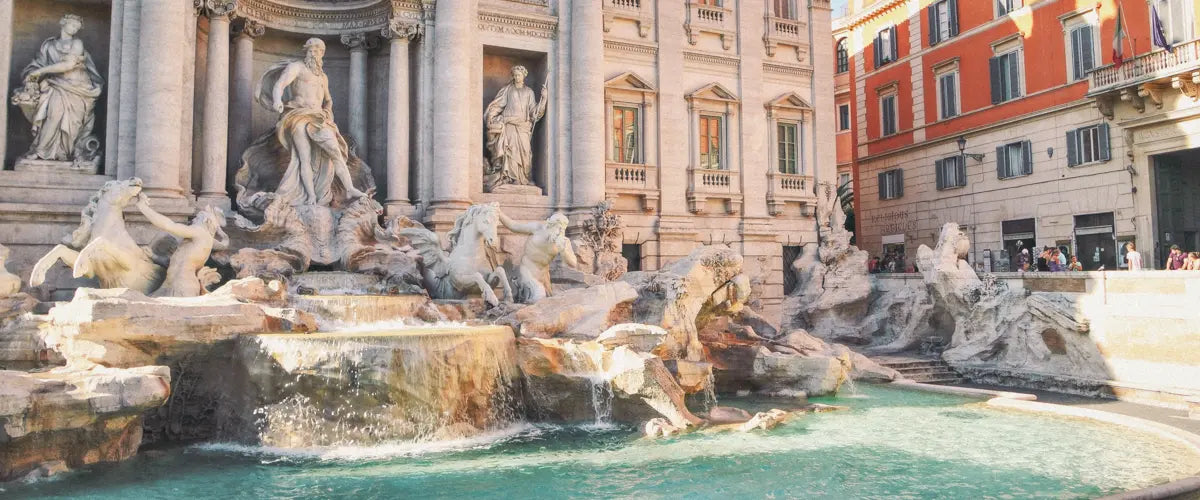
Rome is Italy's beating heart — the former seat of the Roman Empire and home to some of the nation's most incredible historic architecture. Beyond the landmarks, you'll want to take in the food, breathe in the Mediterranean air, and enjoy people-watching from a cafe or two. It's a bustling, historic metropolis that should be at the heart of any Italy itinerary.
Florence
Florence is rife with history and particularly popular with art lovers — it's considered the birthplace of the Renaissance movement. While Florence itself is a fairly compact area, it gives way to the gorgeous rolling Tuscan countryside beyond, meaning we seriously recommend hiring a car for a day or two to take in the scenic surroundings.
Venice
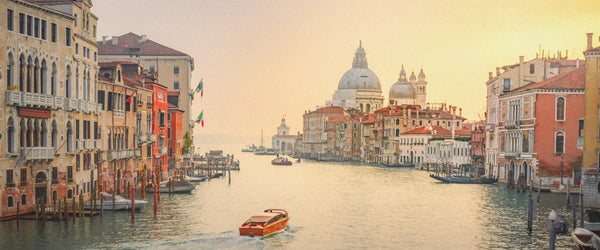
Chances are, if you've heard of Venice, you're already thinking of canals and gondolas — and that's absolutely where to start. The streets here are intricate and beautiful, giving weight to the idea that it's one of the most romantic regions in Europe.
[warning]Venice gets extremely crowded in peak tourist season — particularly in summer and during Carnival in February. If you travel at the height of peak season, be prepared for queues, crowded walkways, and significantly higher accommodation prices. A shoulder season visit (April to May or September to October) delivers a far more enjoyable experience of the city.[/warning]Milan
Milan is world-famous as Italy's seat of luxury and opulence — fashion, cars, and dining. It doesn't feature highly on all itineraries unless you have a genuine passion for fashion and design. That said, it's conveniently close to the stunning Lake Como, making it an excellent stopping point between destinations further north.
Naples
As one of Italy's oldest cities, Naples has just as many fascinating sights to offer as Rome — but with considerably lower tourist numbers, making it a more authentic and relaxed Italian experience. It's also a superb base if you're planning to explore the Amalfi Coast.
Italy itineraries based on length of trip
Here are some itinerary templates for exploring wider Italy. Feel free to adjust them — we've arranged them with ease of travel in mind, keeping train journey times as efficient as possible.
Italy itinerary for 7 days
- Days 1–2: Travel to Rome, establish your home base, and explore the city.
- Day 3: Head out to Naples for the day, then return to Rome or stay overnight.
- Days 4–5: Travel to Florence and consider rebasing here to explore Tuscany.
- Days 6–7: Finish your stay in Venice on the north-east coast.
Italy itinerary for 10 days
- Days 1–2: Start in Naples and explore the south.
- Days 3–5: Head to Rome and make it your base for a few days.
- Days 6–7: Travel to Florence and explore the Tuscan countryside.
- Day 8: Take a trip to Milan, stopping overnight or returning.
- Days 9–10: Finish your trip with a gondola ride in romantic Venice.
Italy itinerary for 14 days
- Days 1–3: Start in Venice and enjoy the north-eastern atmosphere.
- Days 4–5: Check out Milan on your way through and explore Lake Como.
- Days 6–8: Take in the sights of Florence and the Tuscan countryside.
- Days 9–12: Spend a few days in Rome and take in the history.
- Days 13–14: Finish your adventure in Naples overlooking the sea.
Best time to visit Italy
Spring through summer is always very popular with tourists across Italy — and the summers get extremely hot at their height, particularly in Rome, Naples, and Florence.
[warning]Italian summers are genuinely hot — temperatures in Rome and Florence regularly exceed 35°C in July and August, making extended outdoor sightseeing physically demanding. Always carry water, wear sun protection, and plan the most exposed sightseeing for early morning or evening. Crowds are also at their peak across all major cities during summer.[/warning] [tip title="Late spring and early autumn are the sweet spots"]For a cooler, less crowded trip across Italy, book flights and accommodation in late spring (April to May) or early autumn (September to October). Late winter and early spring are the quietest and cheapest periods, though some outdoor activities and smaller attractions may not yet be open. Always pack a warm layer — even in spring, the evenings can be cool.[/tip] [esim flag="🇮🇹" label="Italy" data="10GB · 30 days" price="£7" href="/products/italy" benefits="Instant QR setup · Reliable 4G/5G · No contract"]Stay connected across Italy throughout your itinerary[/esim] [faq] [q]What are the best places to visit in Italy?[/q] [a]The five best places to visit in Italy are Rome (the historic capital and non-negotiable centrepiece of any Italian trip), Florence (birthplace of the Renaissance and gateway to Tuscany), Venice (canals, gondolas, and some of the most unique architecture in the world), Milan (luxury, fashion, and the gateway to Lake Como), and Naples (one of Italy's oldest and most authentic cities, and the ideal Amalfi Coast base). Together they cover the full range of what Italy has to offer.[/a] [q]How do I get around Italy?[/q] [a]Trains are the most efficient and enjoyable way to travel between Italy's major cities. Rome to Florence takes approximately 90 minutes by high-speed train; Rome to Milan takes around three to four hours; Florence to Venice takes approximately two hours. The Eurail Italy Pass gives unlimited travel across all major routes and saves money compared to buying individual tickets. Always book popular routes in advance — high-speed trains fill up quickly.[/a] [q]What is the best time to visit Italy?[/q] [a]Late spring (April to May) and early autumn (September to October) are widely considered the best times to visit Italy — pleasant temperatures, manageable crowds, and most attractions fully open. Summer (July to August) is spectacular but extremely hot and very crowded. Late winter and early spring are the quietest and most affordable periods, though some smaller attractions may not be fully open. Venice should always be visited during shoulder season if possible.[/a] [q]How long should I spend in Italy?[/q] [a]Seven days is the minimum for a meaningful Italy trip — enough to cover Rome, Naples, Florence, and Venice at a reasonable pace. Ten days allows for a more relaxed experience with a day trip to Milan. Fourteen days is ideal for first-time visitors who want to explore all five destinations without feeling rushed, with time for day trips to Tuscany, Lake Como, and the Amalfi Coast.[/a] [q]What is the Eurail Italy Pass?[/q] [a]The Eurail Italy Pass gives unlimited travel on Italy's national rail network for a set number of days within a given period. It covers high-speed trains between Rome, Florence, Milan, Venice, and Naples, as well as regional services. It is typically cheaper than buying individual tickets for multiple journeys and offers flexibility to adjust your itinerary as you travel. It should be purchased before you leave home at eurail.com.[/a] [q]Do I need an eSIM for Italy?[/q] [a]A SIMOVO Italy eSIM is one of the most practical additions to any Italian trip. At £7 for 10GB over 30 days, it activates on landing, connects you to Italy's best available networks, and keeps you navigating between cities, finding restaurants, and staying in touch throughout your itinerary — without roaming charges when you get home.[/a] [/faq] [esim flag="🇮🇹" label="Italy" data="10GB · 30 days" price="£7" href="/products/italy" benefits="Instant QR setup · Reliable 4G/5G · No contract"]Stay connected across Italy throughout your itinerary[/esim]