[takeaways] • Yes, it does snow in Mexico — but only in specific high-elevation areas like Arteaga, Sierra Madre, Pico de Orizaba, and Copper Canyon, not in coastal or lowland regions.
• Arteaga in Coahuila is nicknamed the "Mexican Switzerland" thanks to its snowy winters and cabin rentals.
• Mexico's climate varies dramatically by region — coastal areas stay hot and humid, northern deserts can exceed 104°F in summer, and central highland cities enjoy milder temperatures year-round.
• Mexico's rainy season runs roughly from summer through late fall, overlapping with hurricane season on both coasts.
• May to November sees smaller crowds and lower prices, but also higher humidity and storm risk — December to April is busier but drier and better for sunbathing.
• A SIMOVO eSIM for Mexico keeps you connected to loved ones wherever your trip takes you, from snowy peaks to sunny coastlines. [/takeaways]
It is likely safe to say that not many people think of snow when they think of Mexico! The average temperatures and amount of sunshine you usually expect across the region go against the idea that chilly precipitation is a thing at all. And yet, you might be surprised by what the weather exactly looks like in Mexico from season to season.
In this guide, we'll take a quick look at whether or not it snows in Mexico, and what you can expect from the general climate and weather before you book a flight overseas. Take this as your sign to start packing appropriately for your trip, and whether or not to prepare layers when you do!
So — does it snow in Mexico?
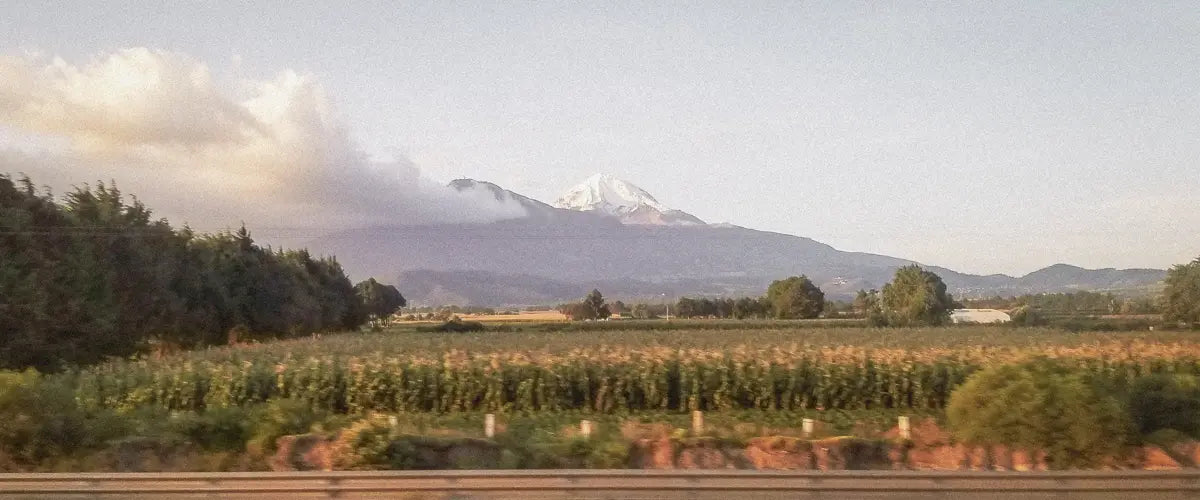
The short answer is yes, it does snow in Mexico! However, you will usually only expect snow in very specific areas of the country, in particular high-elevation areas. For example, volcanoes and peaks such as Popocatépetl, which you can see in the featured image for this guide, are historically snowcapped because of how high up they are in the air.
[warning]Popocatépetl is an active volcano that has been in a near-continuous state of eruption since 1994, with frequent ash emissions and minor explosions. Ash cover can obscure or reduce the visible snowcap at times, and a safety exclusion zone remains in place around the summit — so close-up visits or climbs are not advisable. Always check current volcanic alert levels before planning any activity near the mountain.[/warning]
Ultimately, however, the lower-lying cities and towns across Mexico, including its eponymous capital (despite being home to Popocatépetl), don't get the level of snowfall you might expect while visiting North American neighbors in Canada. Coastal areas in Mexico too, of course, rarely get snow either.
Regions where it snows in Mexico
According to Evan Upchurch for Travesías Digital, Arteaga is one of the snowiest regions in the country, referred to by some as the "Mexican Switzerland"! That, as Upchurch states, makes it something of an interesting hotspot for skiers and snowboarders, and there are plenty of cabins you can rent out for a bizarrely chilly holiday.
Otherwise, if you're interested in grabbing your skis while enjoying a Mexican vacation, it's worth looking toward some of the most popular peaks in the region. These include Sierra Madre and Pico de Orizaba. And, as mentioned, volcanic zones such as Popocatépetl also experience seasonal snowcaps, albeit very high up.
If a wintry trip to Mexico is something that's high up on your travel bucket list, be sure to check out some of the pine forests around areas like Copper Canyon. Crucially, the higher up you go in Mexico, the more likely it will be that you see snow. But, it's always just as well to try and check weather forecasts ahead of time.
[esim flag="🇲🇽" label="Mexico" data="20GB · 30 days" price="$40.70" href="/products/mexico" benefits="Instant QR setup · Reliable 4G/5G · No contract"]Stay connected to loved ones wherever your Mexico trip takes you[/esim]
Mexican weather and climate at a glance
It's a misconception that Mexico is hot and dry all the time — in fact, the weather and climate here vary wildly depending on where in the country you are going and what season you are traveling in. Towards the coasts, for example, it's likely to be hot and humid for much of the year, meaning if you have a Mexican beach vacation in mind, it's typically best to travel during the milder months, such as between December and March.
Similar climates and temperatures apply in lowland areas, too — but there is a serious difference toward the north, particularly in desert areas. As you may imagine, Mexican deserts are typically arid for much of the year, and during the summer months, temperatures skyrocket to a scorching 104°F or more! Between December and February up here, however, things tend to cool down dramatically.
When staying in central Mexico, you can usually expect around 78°F on most summer days — comfortable, but still nice and warm.
And yes, it does also rain regularly in Mexico, albeit during a specific season, typically from summer through to late fall. That means the further south you go in Mexico, and the closer it gets to October, the more likely you are going to experience downpours. Always make sure to pack waterproof clothing if that's the case.
That said, the reverse is the same, as Mexico tends to reach its driest points sometime after November, meaning it's less likely you'll see rain as the year starts over again.
When is the best time to visit Mexico?
While the best time to visit Mexico really depends on where you are traveling and what you want to do on your vacation, you are less likely to experience large crowds between May and November. During this time, you may also find that the costs of flights, attractions and accommodations are cheaper, too.
However, traveling during the rainy season in Mexico means you're at risk of experiencing stormy weather, and there is even hurricane potential during this period. Do also keep in mind that you'll often be trading lower crowds for higher humidity, so be prepared for some discomfort.
The other side of the coin is that the busier time of year tends to be the best for sunbathing and watching marine life. Head over before April if this appeals to you, but keep in mind that costs and crowds will likely be higher. Think carefully about what you're looking for in a Mexican vacation and plan accordingly (as far in advance as you can, too).
Travel tips for visiting Mexico
Whether or not you're heading out to Mexico for the snow, here are a few tips to help make your vacation that little bit more accessible and enjoyable.
[warning]Be sure to drink bottled water and to use it to brush your teeth when visiting Mexico. Unfortunately, there is no guarantee that the tap water here is safe to drink, so always be ready to buy some bottles for your trip across the country.[/warning] [tip title="Carry Mexican pesos, especially in rural areas"]Not all vendors and stores in Mexico, particularly in the rural areas, will accept cards, let alone international plastic! So, have a cache of Mexican pesos to hand just in case you want to invest in local businesses.[/tip] [tip title="Learn some basic Spanish, especially away from tourist zones"]Many people in Mexico can and do speak English, but it is a predominantly Spanish-speaking nation. That means, unfortunately, you are unlikely to meet fluent German or French speakers locally either. If you're away from tourist zones, learn some rudimentary Spanish before you arrive — and local people will generally appreciate your efforts regardless.[/tip] [tip title="Follow the lines at street food vendors"]If you're seeking out Mexican street food, remember that the vendors with the longest lines are the most trusted. That means you can expect the tastiest and safest food![/tip] [tip title="Pack sunscreen and DEET insect repellent"]Always pack sunscreen and plenty of DEET-based insect repellent before you travel to Mexico. You never know when the UV or local mosquitoes might get you![/tip] [tip title="Break your trip into regions rather than trying to see it all"]Exploring the whole of Mexico at once might be tempting, but it isn't considered practical due to the country's sheer size! Try and break down a vacation here into chunks such as various areas and states, and build your way up.[/tip] [warning]As you would when exploring any new cities and regions while abroad, make sure to keep your belongings and valuable items safe and close to hand in case of petty theft. Unfortunately, there is a risk of pickpocketing around the main tourist zones.[/warning] [tip title="Budget up to 15% for tipping"]Generally, you can expect to tip anywhere up to 15% when dining out in Mexico, so be sure to save a little cash for the end of your meal.[/tip] [faq] [q]Does it snow in Mexico?[/q] [a]Yes — Mexico does get snow, but only in specific high-elevation areas such as Arteaga (nicknamed the "Mexican Switzerland"), the Sierra Madre, Pico de Orizaba, and Copper Canyon. Coastal areas and lower-lying cities, including Mexico City, rarely or never see snowfall despite the country's varied terrain.[/a] [q]Is Popocatépetl always snowcapped?[/q] [a]Historically, Popocatépetl's high elevation meant it was often snowcapped. However, the volcano has been in a near-continuous eruptive state since 1994, and frequent ash emissions can obscure or reduce visible snow cover. A safety exclusion zone is also in place around the summit due to ongoing volcanic activity, so close visits aren't advisable — always check current alert levels before planning anything near the mountain.[/a] [q]What is the weather like in Mexico?[/q] [a]Mexico's weather varies significantly by region. Coastal areas are hot and humid for much of the year, northern desert regions can exceed 104°F in summer, and central highland areas like Mexico City stay milder, around 78°F on typical summer days. The rainy season runs roughly from summer through late fall, overlapping with hurricane season.[/a] [q]When is the best time to visit Mexico?[/q] [a]May to November sees smaller crowds and cheaper prices, but comes with higher humidity, rain, and some hurricane risk. December to April is busier and more expensive but offers drier weather, making it ideal for beach vacations and marine life watching. The best choice depends on your priorities and destination within the country.[/a] [q]Is tap water safe to drink in Mexico?[/q] [a]No — tap water in Mexico is not guaranteed to be safe to drink. Stick to bottled water for drinking and brushing your teeth throughout your trip, and be cautious with ice unless you can confirm it was made from purified water.[/a] [q]Do I need an eSIM for Mexico?[/q] [a]A SIMOVO eSIM for Mexico is a convenient way to stay connected throughout your trip — useful for keeping in touch with loved ones, checking weather and volcanic activity alerts if you're exploring mountainous regions, and navigating between destinations. It means no hunting for a local SIM card on arrival.[/a] [/faq] [esim flag="🇲🇽" label="Mexico" data="20GB · 30 days" price="$40.70" href="/products/mexico" benefits="Instant QR setup · Reliable 4G/5G · No contract"]Get connected before you land in Mexico[/esim]