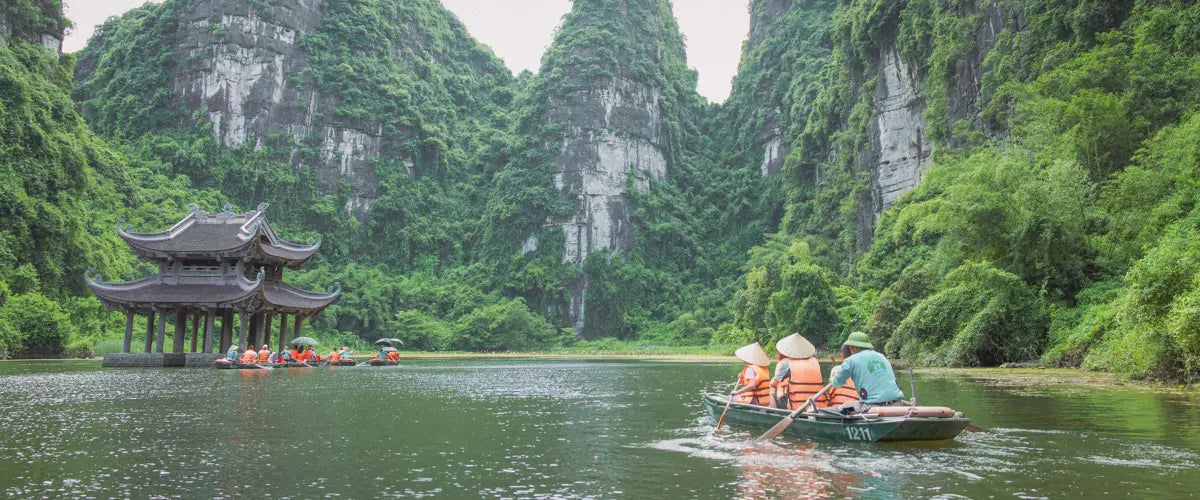
[takeaways] • Costa Rica is widely regarded as the global benchmark for ecotourism — decades of investment in wildlife reserves, national parks, and sustainability infrastructure have made it the "poster child" for responsible travel.
• Bhutan actively limits tourist numbers and charges a mandatory Sustainable Development Fee to ensure its ecosystem continues to thrive — one of the most serious and effective national approaches to sustainable tourism anywhere in the world.
• The Galapagos Islands, Kenya, and New Zealand all offer world-class ecotourism experiences with genuine conservation impact — your visit directly funds habitat protection and species recovery programs.
• Before committing to an ecotourism project, research carefully — "ecotourism" is sometimes used as a marketing term without substantive environmental credentials behind it.
• Choosing an eSIM over a physical SIM card is one small but genuine environmental saving — every plastic SIM card produced and discarded contributes to global plastic waste. [/takeaways]
Tourism is one of the world's largest industries — and one of its most carbon-intensive. The rise of ecotourism offers a different approach: travel that actively reduces environmental impact, supports local communities, and invests in the conservation of the natural places visitors come to see. Here are eight of the world's most compelling ecotourism destinations, and what you can do when you get there.
What is ecotourism?
Ecotourism goes beyond simply taking a shorter flight or staying in a more energy-efficient hotel. At its best, it means visiting places where your presence and spending directly fund conservation efforts, community development, and sustainability programs. It can mean volunteering, learning, raising awareness, or simply choosing operators and accommodations that reinvest in the environments they inhabit.
A good starting point before any international trip is to calculate your flight's carbon footprint with a CO2 flight calculator and look into offset options — before deciding whether to go at all, or to choose a closer alternative.
Ecotourism — the honest pros and cons
Pros
- You contribute directly to conservation and community support
- You experience natural landscapes in ways that mass tourism doesn't offer
- Spending stays in local economies rather than leaving with international hotel chains
- You learn about sustainable resource management and other cultures at close range
- Genuine ecotourism projects deliver measurable environmental benefits
Cons
- Traveling to ecotourism destinations still generates carbon emissions — often significant ones for long-haul destinations
- Increased tourism demand can create unsustainable accommodation pressure in fragile areas
- Some ecotourism projects displace local communities to make way for development
- "Ecotourism" is sometimes a marketing label applied to experiences with limited actual environmental benefit — research carefully before booking
- Well-meaning visitor footfall can still damage sensitive ecosystems if poorly managed
[warning]"Ecotourism" is an unregulated term — any operator can use it. Before booking, look for certification from recognized bodies (such as the Rainforest Alliance or national tourism boards), read independent reviews, and check whether the operator can demonstrate measurable conservation outcomes. If the sustainability claims feel vague or unverifiable, trust your instincts.[/warning]
Eight of the world's best ecotourism destinations
[numbered title="Costa Rica" pill="The global benchmark for sustainable tourism"]Widely described as the "poster child for sustainable ecotourism", Costa Rica has been investing in wildlife reserves, national parks, and conservation infrastructure for decades. Sustainable activities include: visiting hot springs at Arenal Volcano National Park, exploring the Guayabo Monument, taking canopy tours in Monteverde, joining a surfing school, and volunteering for sea turtle conservation. Visit visitcostarica.com for current programs.[/numbered] [numbered title="Iceland" pill="Government-backed carbon reduction and sustainable accommodation"]Iceland's government has made significant commitments to reducing tourism's carbon footprint, with a focus on sustainable accommodation development and renewable energy. Sustainable activities include: glacier walks, whale and seabird watching tours, hiking and camping, exploring Skaftafell National Park, and bathing at the Blue Lagoon's geothermal springs.[/numbered] [numbered title="New Zealand" pill="Reinvesting tourism revenue into habitat protection"]New Zealand's ecotourism programs reinvest directly into habitat protection and eco-research, with progressive conservation initiatives at Aoraki/Mount Cook National Park among many examples. Sustainable activities include: visiting Tongariro National Park, exploring Poor Knights Islands Marine Reserve, learning about Māori history, relaxing at Hot Water Beach, and studying the Whakaari (White Island) volcanoes.[/numbered] [numbered title="Peru" pill="Amazon rainforest protection and new conservation zones"]Peru's rainforests are home to thousands of species under active protection, with new conservation zones regularly being established. Sustainable activities include: touring the Pacaya Samiria National Reserve, hiking and sandboarding around the Ballestas Islands, sailing the Tambopata National Reserve, trekking to Machu Picchu, and visiting the national museums in Lima.[/numbered] [numbered title="Colombia" pill="Biodiversity hotspot — coffee farms, diving, and birdwatching"]Colombia's extraordinary mix of rainforest, coastline, and highland ecosystems makes it a compelling ecotourism destination with a rapidly growing conservation sector. Sustainable activities include: hiking in Los Nevados National Park, diving and snorkelling at Utria National Park, birdwatching at Rincon del Mar, stargazing in the Tatacoa Desert, and touring sustainable coffee farms.[/numbered] [numbered title="The Galapagos Islands" pill="Marine and terrestrial ecosystem protection at global scale"]The Galapagos Islands are among the world's most significant biodiversity sites — and among the most carefully managed. The Galapagos Conservancy leads ongoing marine and terrestrial habitat protection. Sustainable activities include: guided National Park hikes, beach cleaning, snorkelling the marine reserve, birdwatching across the archipelago, and kayaking.[/numbered] [numbered title="Kenya" pill="Wildlife conservation, eco-lodges, and animal sanctuaries"]Kenya's wildlife conservation infrastructure — eco-lodges, species-specific sanctuaries, and community conservancies — makes it one of the world's premier ecotourism destinations. Sustainable activities include: staying in an eco-lodge, visiting elephant and rhino sanctuaries, participating in reforestation, taking low-impact walking safaris, and diving and reef cleaning in marine protected areas.[/numbered] [numbered title="Bhutan" pill="Mandatory Sustainable Development Fee — tourist numbers actively capped"]Bhutan is among the world's most serious practitioners of sustainable tourism, charging visitors a daily Sustainable Development Fee and capping annual visitor numbers to protect its ecosystem. Sustainable activities include: birdwatching in Royal Manas National Park, butterfly spotting in Trashiyangtse, rafting in Jigmechu, attending festivals in Gasa, and trekking to Jangothang.[/numbered]
[esim flag="🌍" label="Worldwide" data="120+ countries" price="from $9.20" href="/products/global" benefits="Instant QR setup · Local network rates · No roaming charges · No plastic waste"]Travel sustainably — including your mobile data[/esim]How to travel more sustainably — wherever you go
[tip title="Calculate your carbon footprint before booking — and consider offsetting"]Use a tool like the myclimate CO2 calculator to estimate your flight emissions before booking. Several airlines and independent schemes offer verified carbon offset options. Choosing overland transport, direct flights over indirect, or destinations closer to home all reduce your baseline impact.[/tip] [tip title="Choose operators with verifiable sustainability credentials — not just the label"]Look for certification from recognized bodies — Rainforest Alliance certification, national sustainable tourism board accreditation, or membership of the Global Sustainable Tourism Council. Ask operators specific questions about where conservation revenue goes and what outcomes they can demonstrate.[/tip] [tip title="An eSIM is a small but genuine environmental saving"]Every physical SIM card produced and discarded contributes to global plastic waste. Choosing a SIMOVO eSIM for your ecotourism trip eliminates that plastic entirely — a small saving that is at least consistent with the spirit of the trip you're taking.[/tip] [faq] [q]What is ecotourism?[/q] [a]Ecotourism is travel that actively seeks to reduce environmental impact, support local communities, and fund conservation of the natural places visited. At its best, it means choosing operators and accommodations that reinvest in the ecosystems they inhabit — through habitat protection, species recovery, community development, or sustainability research. It goes beyond simply choosing a shorter flight or a greener hotel.[/a] [q]What is the best country for ecotourism?[/q] [a]Costa Rica is widely cited as the global benchmark — decades of investment in national parks, wildlife reserves, and sustainability infrastructure have made it the most developed ecotourism destination in the world. Bhutan, Kenya, New Zealand, and the Galapagos Islands are also among the strongest examples, each with different conservation focuses and visitor experiences.[/a] [q]What should I look for when choosing an ecotourism operator?[/q] [a]Look for certification from recognized bodies such as the Rainforest Alliance, national tourism board accreditation, or Global Sustainable Tourism Council membership. Ask operators specifically where conservation revenue goes, what measurable outcomes their programs produce, and whether they work with or employ local communities. If sustainability claims are vague or unverifiable, treat them with caution.[/a] [q]Does choosing an eSIM actually make a difference environmentally?[/q] [a]It's a small difference — but a real one. Every physical SIM card manufactured and discarded contributes to global plastic waste. Choosing a SIMOVO eSIM eliminates that plastic entirely. Cumulatively, across millions of travelers, eSIM adoption does reduce plastic SIM waste meaningfully — and it's consistent with the broader choices an ecotourist is already trying to make.[/a] [/faq] [esim flag="🌍" label="Worldwide" data="120+ countries" price="from $9.20" href="/products/global" benefits="Instant QR setup · Local network rates · No roaming charges · No plastic waste"]Travel sustainably — including your mobile data[/esim]