[takeaways] • The five must-try French dishes are croissants, coq au vin, ratatouille, bouillabaisse, and crêpes — classics that showcase the full range of French cuisine.
• French lunch service typically closes by 2pm — plan meals around this window or you'll find many restaurants unavailable until evening.
• Always prioritize local markets for the best cheese, bread, meats, and fruit — the quality is incomparable to supermarkets.
• French cuisine is regional — regional specialties like tartiflette, cassoulet, and bouillabaisse are best enjoyed in their home regions.
• Save room for pastries — France's patisseries are as much a cultural experience as a culinary one. [/takeaways]
If there's anything that France is famous for, it's its food. From pastries and flans to wines from its famous vineyards, French cuisine is truly in a league of its own — and there's a good chance you've sampled some of the best food to eat in France from afar.
However, as we always say at SIMOVO, you really haven't sampled the best of authentic global cuisine until you've visited the countries these recipes and dishes come from. While you absolutely don't have to eat frogs' legs or escargot unless you want to, we seriously recommend you dive into the tastiest snacks, lunches, and dinners that tourists and locals enjoy alike.
We'll take you through some must-taste ideas from patisserie to boulangerie and everything in between. And if your diet requires it, be sure to check out our guide to halal food in France to make sure you're always dealing with a butcher or eatery that can meet your needs.
Why French food is world famous
There's a real prestige behind French recipes and cooking — to the point where, whenever many of us think of fine dining or high-class cuisine, many of the dishes that come to mind are likely of French origin. French cuisine is a melting pot of all kinds of different tastes and influences, brought together and delivered in such a masterful way that France has climbed to the top of the culinary leaderboard for many travelers.
France is thought to have been behind much of the revolution in developing fine dining and restaurant experiences — meaning they've had longer than most to develop exceptional ideas and skills in the kitchen. If you're a foodie, you'll also have heard of the Michelin Star — an award granted to only the world's best eateries, and yes, it is of French origin.
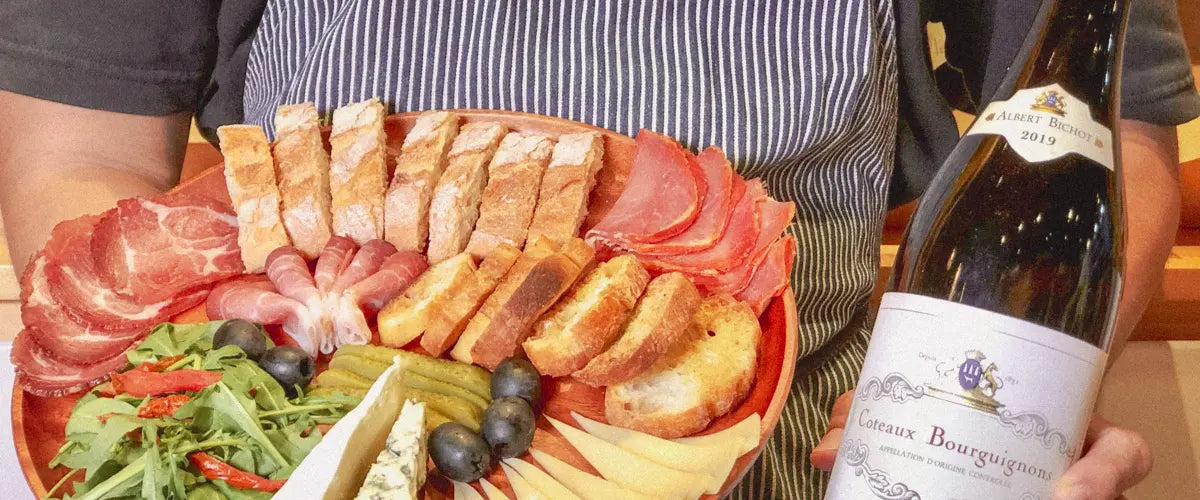
As you travel around France, you'll find the food culture is rich in strong flavors, with an emphasis on bread, exotic cheeses, and wine. While much of the French food and drink culture revolves around savory before sweet, you must give fruit flans and patisseries a try on your next visit.
Best food to try in France
Narrowing down the best food to eat in France to just a few headings was a tricky task — but the SIMOVO crew was up to the challenge. Here are five must-sample dishes you'll want your taste buds to experience before you head home, enjoyed almost anywhere you travel across the country.
[numbered title="Croissants" pill="The French breakfast staple"]Flaky, buttery, and crescent-shaped — you haven't tried the best until you've had one fresh from a French baker. Available almost everywhere in France at any time of day.[/numbered] [numbered title="Coq au Vin" pill="Chicken braised in wine"]Far more than chicken in a bottle of red — the finest versions combine local wines, mushrooms, lardons, and garlic for deeply regional takes on this classic fine dining staple.[/numbered] [numbered title="Ratatouille" pill="Classic vegetable stew"]A traditional French stew of onion, tomato, garlic, peppers, zucchini, eggplant, and olive oil — endlessly varied by region and always worth ordering.[/numbered] [numbered title="Bouillabaisse" pill="Marseille fish soup"]A rich soup made from three types of freshly caught fish with origins in Marseille — best enjoyed in France's port towns, where the ingredients are at their freshest.[/numbered] [numbered title="Crêpes" pill="Sweet or savory"]An unleavened bread treat traditionally griddled or fried — served sweet with fruit or as a savory galette with vegetables. Entirely your call.[/numbered]
Croissants
When you think of French breakfasts or snacks, you probably think of croissants. While many bakeries in the West offer these flaky, pastry delicacies, you really haven't tried the best until you've sampled a French baker's recipe. Named for their crescent shape, there are very few places in France where you can't find a croissant or two — and you'll miss the buttery, flaky aftertaste when you leave.
Coq au vin
If you speak even a little French, you'll have worked out that coq au vin is chicken braised in wine. However, there's more to it than simply dousing poultry in a bottle of red. The finest coq au vin dishes combine local wines, mushrooms, lardons, and garlic to create regional twists on this old favorite — an absolute must if you're exploring fine dining in France.
Ratatouille
If you prefer something with more focus on vegetables, this authentic French dish is a must — it gained even more global recognition thanks to a certain Pixar film in the 2000s. Ratatouille is a traditional French stew frequently consisting of onion, tomato, garlic, peppers, zucchini, eggplant, and olive oil. Expect regional twists and different takes on the recipe across different restaurants.
Bouillabaisse
French cuisine revolves around stews and soups as much as bread, cheese, and pastries — and bouillabaisse is a rich, tasty soup with origins in Marseille. Made from three types of fish typically caught from nearby harbors, the most authentic and delicious versions are found in France's port towns and cities, where the ingredients are freshest.
Crêpes
The humble crêpe is more than just a pancake. It's an unleavened bread treat traditionally griddled or fried, served either with sweet ingredients — fruit, chocolate, or cream — or as a savory galette packed with vegetables, cheese, or ham. Whether you prefer yours sweet or savory is entirely your call.
Other regional French dishes
There's simply too much great food to eat in France to fit into one guide. Here's a quick rundown of some other regional dishes and treats worth tucking into when you travel.
- Confit de Canard — a southwestern take on duck confit, slow-cooked in its own fat.
- Pissaladière — a Mediterranean onion tart from the Nice region, topped with anchovies and olives.
- Tartiflette — a deeply comforting combination of cheese, potato, and lardons, popular in the Savoy Alps.
- Baeckeoffe — a slow-cooked casserole typically enjoyed in Alsace.
- Cassoulet — a hearty meat and white bean stew usually enjoyed in Gascony and Languedoc.
While all of these are regional specialties, there's an excellent chance you'll find them on restaurant menus across the country too.
Food tips for traveling in France
Given that France is well-known for its rich, sumptuous food scene, it's always good to pace yourself. Here are a few final foodie tips to keep in mind before you sample the tastiest spots from coast to coast.
[tip title="Lunch service closes early — usually by 2pm"]Many French eateries close lunch service by around 2pm, meaning if you arrive after that you may have to wait until evening. Plan your midday meals around this window while you're out and about — it's a genuine cultural difference that catches many visitors off guard.[/tip] [tip title="Always prioritize local markets"]Local marketplaces are where you'll find the best cheese, bread, meats, and fruit in France — the quality is incomparable to supermarkets. Every town of any size has a weekly market, and the experience of browsing them is as much a part of French food culture as the food itself.[/tip] [tip title="Start wine with a small carafe"]When ordering wine at a French restaurant, you'll typically be able to choose between small and large bottles or carafes. We recommend starting with a smaller size first — particularly with regional wines you haven't tried before — so you can explore the variety without committing to a full bottle.[/tip] [tip title="Always save room for pastries"]France's patisseries are as much a cultural experience as a culinary one. From tarte tatin to mille-feuille and everything in between, save room at every opportunity — you're going to want to sample the delicious cakes available from street corner to corner.[/tip] [esim flag="🇫🇷" label="France" data="10GB · 30 days" price="$9.40" href="/products/france" benefits="Instant QR setup · Reliable 4G/5G · No contract"]Find the best food in France without roaming charges[/esim] [faq] [q]What is the most famous French food?[/q] [a]France is famous for a huge range of dishes, but the most internationally recognized include croissants (flaky buttery pastry), baguettes, coq au vin (chicken braised in wine), ratatouille (vegetable stew), bouillabaisse (Marseille fish soup), crêpes, and an extraordinary variety of cheeses and wines. French patisserie — including éclairs, tarte tatin, and mille-feuille — is also among the most celebrated in the world.[/a] [q]What is coq au vin?[/q] [a]Coq au vin is a classic French dish of chicken braised slowly in red wine with mushrooms, lardons (smoked bacon), garlic, and herbs. It is a regional staple that varies across France depending on local wines and ingredients — Burgundy's version using local Pinot Noir is perhaps the most celebrated. It is a cornerstone of French fine dining and one of the most satisfying dishes you can order in a traditional French restaurant.[/a] [q]What is bouillabaisse?[/q] [a]Bouillabaisse is a rich and flavorful fish stew originating in Marseille, traditionally made from three types of locally caught fish and shellfish, cooked in a saffron-infused broth with garlic and herbs. It is typically served with rouille (a garlicky saffron mayonnaise) and crusty bread for dipping. The most authentic versions are found in Marseille and the port towns of Provence, where the fish is freshest.[/a] [q]What are some regional French dishes worth trying?[/q] [a]France's regional cuisine is one of its greatest strengths. Highlights include tartiflette (cheese, potato, and lardons from Savoy), cassoulet (meat and white bean stew from Gascony), confit de canard (slow-cooked duck from the southwest), pissaladière (Mediterranean onion tart from Nice), and baeckeoffe (slow-cooked casserole from Alsace). Each region takes genuine pride in its local dishes and ingredients.[/a] [q]When do French restaurants serve lunch?[/q] [a]Most traditional French restaurants serve lunch between approximately 12pm and 2pm — and many stop taking orders firmly at 2pm. Arriving after this window often means waiting until the evening service, which typically starts around 7pm to 7:30pm. This is a genuine cultural difference from many other countries, and planning meals around these windows will significantly improve your experience of eating out in France.[/a] [q]Do I need an eSIM for France?[/q] [a]A SIMOVO France eSIM is one of the most practical additions to any French food trip. At $9.40 for 10GB over 30 days, it lets you search for local restaurants and markets on the move, navigate between towns, and stay connected throughout your stay — without roaming charges or the need to rely on restaurant WiFi.[/a] [/faq] [esim flag="🇫🇷" label="France" data="10GB · 30 days" price="$9.40" href="/products/france" benefits="Instant QR setup · Reliable 4G/5G · No contract"]Find the best food in France without roaming charges[/esim]