[takeaways] • The SIMOVO team's top six traditional Spanish dishes are paella, gazpacho, patatas bravas, gambas al ajillo, tortilla Española, and churros.
• Spanish dining revolves around tapas culture — smaller shared dishes designed for relaxed, social mealtimes with friends and family.
• Fresh, high-quality ingredients define Spanish cuisine, from world-class olive oil to Spain's famous tomatoes, peppers, and blueberries.
• Meal times in Spain run later than many visitors expect — lunch between 2pm and 4pm, and dinner from around 9pm.
• Tap water is generally safe to drink across Spain thanks to European Union standards, though taste and crispness vary by region.
• A SIMOVO eSIM for Spain makes it easy to find the best restaurants and cafes serving these dishes wherever you travel. [/takeaways]
Regardless of whether you're coming to Spain for a city break or to check out some of the gorgeous rural villages, we can all agree that Spanish vacations are bursting with continental charm. And, for many people, one of the best reasons to travel to Europe at all is to sample some traditional Spanish food.
While Spanish cuisine is famous the world over and has had many different twists and variations made of it over the decades, you really cannot beat authentic Spanish meals, tapas, and desserts from the heart of the country itself. In this guide, we'll take you through the SIMOVO team's favorite traditional Spanish dishes and why they're worth every mouthful.
Why is Spanish food so popular?
Spanish cuisine follows the popular Mediterranean idea that mealtimes should be social, and be memorable occasions with friends and family (for all the right reasons). Spain's take on social dining revolves around tapas culture, where you are served lots of smaller dishes to sample from and enjoy, while sharing the experience with loved ones.
This makes dining in Spain very relaxed and enjoyable — there are no stuffy cafes or restaurants here where eating out feels like a daily formality. And, we haven't even got to the flavors yet!
Spanish recipes are packed with regional ingredients and there's an emphasis on freshness. The olive oil here is among the best in the world, and Spanish tomatoes and peppers are extremely difficult to beat (did you know that Spanish blueberries, too, are extremely popular?).
Spain's vegetation and crops benefit from an incredible climate, meaning that plants grow strong and fruits and vegetables are amazingly juicy and flavorful. Depending on where you travel in Spain, too, you'll have your pick of some delicious seafood and stews.
We seriously recommend you try a few Spanish dishes at home before you travel, as it's a great way to test whether or not you'll enjoy some of the more traditional recipes. Thankfully, tapas restaurants have never been more popular in the West, for example, and there are lots of ways you can make classics like paella at home. Just remember that it likely won't match up to traditional Spanish food you'll try when actually visiting the country!
Traditional Spanish food that's top of our menu
When it comes to the best traditional Spanish food that tantalizes our taste buds, the SIMOVO team always tries to tuck into paella, gazpacho, patatas bravas, gambas al ajillo, tortilla Española, and churros. Regardless of where you go in Spain this year, here's why you should put each of these dishes at the top of your tasting list.
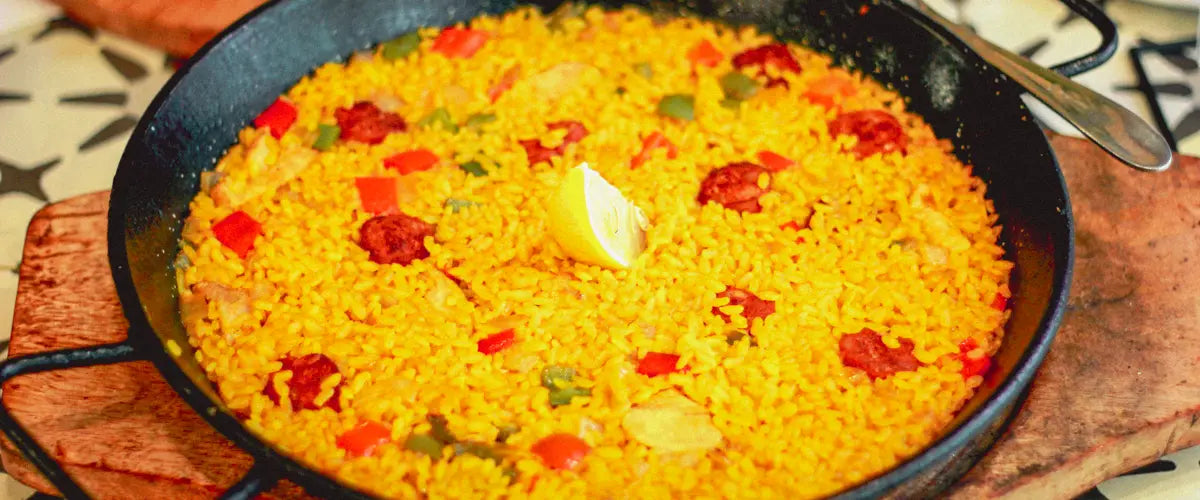
[numbered title="Paella" pill="Rice, meat, and saffron"]Paella is perhaps one of Spain's most famous dishes of all. Traditionally made with short-grain rice, this is a dish that's packed with green and white butter beans, seasoned with saffron, paprika, rosemary, and more. The traditional meat used in a paella is chicken or rabbit (depending on where you travel), but many people enjoy it with snails! It's commonly enjoyed as a seafood dish, however. According to The Paella Club, paella is a countryside classic from the farmyards and fields across Valencia — and believe it or not, the word "paella" actually refers to the pan it's cooked in![/numbered] [numbered title="Gazpacho" pill="Cold soup"]Gazpacho is another world-famous dish with roots in Spain — it's a cold soup made from a variety of raw vegetables, vinegar, and that all-famous local extra virgin olive oil. This blended mix of juicy veggies is sometimes enjoyed as a predominantly tomato-based dish in the US, according to Suzy Karadsheh. Regardless, it's designed to be nice and cool in the Mediterranean summer.[/numbered] [numbered title="Patatas Bravas" pill="Crispy potatoes"]If you know a little Spanish, you might have guessed right that patatas bravas is a potato dish. It's specifically cubed potatoes served as part of a tapas spread, fried up to be crispy in olive oil, and typically served with broth or alioli for a creamy, cooling effect. According to a recipe from Fox and Briar, you can even enjoy them at home in the oven, if you'd prefer to avoid fried cooking wherever possible.[/numbered] [numbered title="Gambas al Ajillo" pill="Garlic prawns"]We're sticking with tapas, as gambas al ajillo is a popular seafood choice for anyone looking to sample the small dish approach while in Spain. According to Omar Allibhoy, the dish's name translates to mean "prawns with garlic", though as the chef states, preparing it requires a little more finesse and ingredient choice! For example, Allibhoy cooks his take on the dish with dried guindilla peppers, fresh parsley, and local white wine.[/numbered] [numbered title="Tortilla Española" pill="Potato and egg omelette"]Tortilla Española is a Spanish family staple that is, at its core, a simple omelette made from potato and egg, according to Jaleo. Chef José Andrés' recipe requires a careful fusion of large eggs, cubed russet potatoes, and that all-important extra virgin olive oil — with a little sea salt to taste. It is immensely filling, and you might not even want to go back to how you've eaten omelettes in the past.[/numbered] [numbered title="Churros" pill="Fried dough and sweet dips"]Churros are sugary, chewy, deep-fried treats that are designed for dipping! Made from dough that's piped straight into a pan of hot oil, churros are typically sugared with cinnamon, and served with dips such as chocolate and dulce de leche. The recipe might seem simple, but there is a genuine technique to piping churros just right — so that they crisp up and hold their form before serving.[/numbered] [esim flag="🇪🇸" label="Spain" data="10GB · 30 days" price="$8.50" href="/products/spain" benefits="Instant QR setup · Reliable 4G/5G · No contract"]Find the best restaurants and cafes across Spain — stay connected with reliable data[/esim]
Spain travel tips for foodies
When traveling to sample the best in traditional Spanish food, you'll also need to keep a few tips in mind so you're in line with local etiquette and can make the most of the menus. Here are some quick ideas to keep in mind while you dig into tapas.
[tip title="Meal times run later than you might expect"]In Spain, meal times tend to skew a little later than what you may be used to. For example, lunch is typically eaten any time between 2pm and 4pm, and dinner is usually served in restaurants toward 9pm.[/tip] [tip title="Follow the crowds for the best food"]If a venue, vendor, or restaurant is busy, trust it! The more local people that are queuing for and enjoying cuisine at a restaurant, the more likely it is that the food will be fresh, tasty, and worth coming back for.[/tip] [tip title="Try pintxos in the Basque Country"]When visiting Basque Country, the tapas culture is a little different from most. It's here where you can enjoy a local variation called pintxos — and pair it with white wine if you have alcohol.[/tip] [tip title="Consider a tapas crawl for your evening out"]Some travelers even recommend going on "tapas crawls" — meaning you can sample a dish and a drink at up to five bars in one evening![/tip] [tip title="Tap water is safe to drink across Spain"]The water is generally safe to drink across Spain due to European Union mandates, though you might find taste and crispness vary depending on the region.[/tip] [tip title="Tipping isn't expected, but rounding up is appreciated"]You won't usually need to tip your waiting staff in Spain — but be sure to round up the bill if you have had a great time.[/tip] [faq] [q]What is traditional Spanish food?[/q] [a]Traditional Spanish food includes paella (saffron rice with meat, seafood, or both), gazpacho (a cold vegetable soup), patatas bravas (crispy fried potatoes), gambas al ajillo (garlic prawns), tortilla Española (a potato and egg omelette), and churros (fried dough dipped in chocolate). Spanish cuisine emphasizes fresh, regional ingredients and social, tapas-style dining.[/a] [q]What does paella mean?[/q] [a]The word "paella" actually refers to the wide, shallow pan the dish is traditionally cooked in, not the rice dish itself. Paella originated as a countryside classic from farmyards and fields across Valencia, and today it's typically made with short-grain rice, saffron, paprika, and either meat, seafood, or a mix of the two.[/a] [q]What is gazpacho made from?[/q] [a]Gazpacho is a cold Spanish soup made from a blend of raw vegetables, vinegar, and extra virgin olive oil. It's especially popular in the hotter months, designed to be refreshing in the Mediterranean summer heat. In the US, it's sometimes prepared as a predominantly tomato-based version.[/a] [q]What are gambas al ajillo?[/q] [a]Gambas al ajillo translates to "prawns with garlic" and is a classic Spanish tapas dish. Prawns are typically cooked in olive oil with garlic, and variations often include dried guindilla peppers, fresh parsley, and a splash of local white wine for extra depth of flavor.[/a] [q]What is a Spanish tortilla?[/q] [a]Tortilla Española is a Spanish family staple — a thick, filling omelette made from potato and egg, cooked slowly with extra virgin olive oil and a little sea salt. It's a simple dish at its core, but the technique and quality of ingredients make a genuine difference to the final result.[/a] [q]Do I need an eSIM for trying Spanish food?[/q] [a]A SIMOVO eSIM for Spain is a convenient way to stay connected while exploring the country's food scene — useful for finding the best local restaurants, checking reviews, and navigating between tapas bars. It means no hunting for a local SIM card on arrival.[/a] [/faq] [esim flag="🇪🇸" label="Spain" data="10GB · 30 days" price="$8.50" href="/products/spain" benefits="Instant QR setup · Reliable 4G/5G · No contract"]Get connected before you land in Spain[/esim]