[takeaways] • The five best places to visit in Germany are Berlin, Munich, Hamburg, Cologne, and Neuschwanstein Castle.
• Germany's major cities are often six or more hours apart by road — always plan overnight or early morning travel between cities to maximize your time.
• A Germany train pass is essential for getting around affordably — buy it before you travel.
• Oktoberfest in Munich falls in late September to early October. Christmas markets run across all major cities in December. Both are spectacular reasons to visit.
• Spring and fall offer the best balance of good conditions and manageable crowds — summer is warm but very busy. [/takeaways]
Germany is an absolutely enormous country and likely one of the first territories people consider exploring when heading on a European getaway — and for plenty of excellent reasons. Rich in history and world-famous for its electric nightlife, tasty beer, rich food, stunning forest landscapes, and fabulous Christmas markets, Germany has wonderful experiences to offer at every turn.
The SIMOVO team's European travelers recommend checking out all kinds of sights and scenes in Germany, and if you're building your own Germany itinerary, it makes sense to get some inspiration on what to include. In this guide, we line up our favorite cities and attractions, offer practical travel advice, and help you create an unforgettable itinerary that will make the most of this gorgeous country.
Germany itinerary overview
As a country that's famously huge compared to many other European destinations, it really does make sense to start planning your Germany itinerary as early as possible — sussing out the spots you'd like to visit, making sure you have everything in order for travel, and locking in the best prices on flights, accommodation, and activities.
The ideal Germany itinerary should cover at least seven days of travel, though you could spend a whole month here and still not get bored. The suggestions in this guide are just that — suggestions, based on our own experiences and expert opinions we regularly review. You can and should build your own itinerary your own way.
[tip title="A Germany train pass is a must-have for getting around"]It's well worth investing in a Germany train pass so you can easily travel from one city to another at a very reasonable price. Germany is not always the cheapest of breakaways, so a train pass helps keep costs manageable while giving you the flexibility to move around. Check our guide linked for everything you need to know before you buy.[/tip] [tip title="Always plan ahead for long distances between cities"]Germany's major cities are often six or more hours apart by road. Always plan ahead and allow for overnight or early morning travel between cities to maximize the time you have at each destination — don't underestimate the distances involved when you're building your daily schedule.[/tip]
Best places to visit in Germany
The best places to visit in Germany, according to the SIMOVO team, are Berlin, Munich, Hamburg, Cologne, and Neuschwanstein Castle. We've designed our example itineraries around these locations — but you can add other routes or points of interest along the way.
[numbered title="Berlin" pill="History and nightlife"]Historic, bustling, and electric after dark — Germany's best-known city for culture, museums, architecture, and one of Europe's most celebrated nightlife scenes.[/numbered] [numbered title="Munich" pill="Beer and Alps gateway"]Famous for Oktoberfest, stunning architecture, and easy access to the Alps — lakeside walks and cycling trails are just a short journey from the city center.[/numbered] [numbered title="Hamburg" pill="Port city and seafood"]Colorful, charming, and maritime — a burgeoning concert hall scene, boat tours, and excellent local seafood markets make Hamburg one of Germany's most enjoyable cities.[/numbered] [numbered title="Cologne" pill="Rhine and carnival"]On the majestic Rhine and famous for its carnival — stunning cathedral architecture, delicious beer trails, and the Schildergasse shopping street.[/numbered] [numbered title="Neuschwanstein Castle" pill="Fairytale Bavaria"]The fairytale castle that inspired Disney — spectacular lake views, Bavarian panoramas, and a perfect scenic break from the cities.[/numbered]
Berlin
Historic, bustling, and absolutely electric at night, Berlin is perhaps Germany's best-known city — thanks to its place in history and its importance in European politics over the past century, but also thanks to its amazing museums, stunning architecture, and delicious food scenes. If you don't make Berlin the base of your itinerary, you should at least dedicate a few days to it.
Munich
Munich is a city rife with historic touches and festivals, and is particularly famous for its incredible beer. However, there's certainly more to Munich than its city limits — high up, you can even see across the Alps, and only a short journey away are lakeside walks and cycling trails, making it a spectacularly fun summer getaway.
Hamburg
Colorful, charming, and bursting with maritime memories, Hamburg has become a very popular destination for nightlife lovers, with a burgeoning concert hall scene if you prefer your culture a little more high-brow. As Germany's main port, Hamburg is home to various boat tours around the region — and the local seafood markets and restaurants are not to be missed.
Cologne
Cologne is found on the majestic Rhine and is one of Germany's most famous carnival cities. Beyond the nightlife, there's stunning cathedral architecture, delicious beer trails, and shopping fun at the Schildergasse. It's a city that consistently surprises first-time visitors.
Neuschwanstein Castle
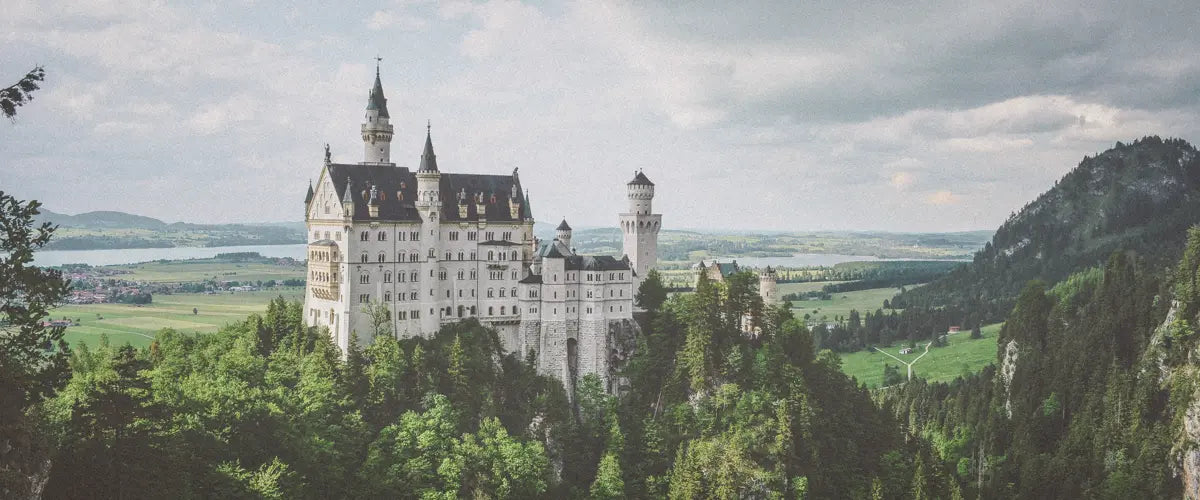
Neuschwanstein Castle looks like something out of a fairytale — and it was thought to have helped inspire Disneyland's central keep. It's a fantastic trip away if you're keen to explore the Alps, with spectacular lake views and Bavarian panoramas as far as the eye can see. If you want a scenic break from the cities, head this way.
Germany itinerary templates
Here are some Germany itinerary templates based on our top places to visit. Edit, add to, and adjust as you wish — but keep in mind that the main cities are often six hours or more apart, so plan travel time carefully.
Germany itinerary for 7 days
- Days 1–2: Land and settle in Berlin for a couple of days.
- Days 3–4: Travel to Hamburg and set a new base.
- Day 5: Travel overnight or early morning to Cologne.
- Days 6–7: Travel overnight or early morning to Munich, exploring Neuschwanstein Castle on the way.
Germany itinerary for 10 days
- Days 1–3: Establish a base in Berlin and explore.
- Days 4–5: Travel to Munich.
- Day 6: Day trip to Neuschwanstein Castle from Munich.
- Days 7–8: Head back north to Cologne for a few days.
- Days 9–10: Finish your trip in Hamburg's gorgeous port.
Germany itinerary for 14 days
- Days 1–3: Travel to and make the most of Hamburg.
- Days 4–6: Enjoy the day-night culture balance in Berlin.
- Days 7–9: Travel early to Cologne.
- Days 10–11: Head out toward Bavaria and find a local base.
- Days 12–14: Finish your trip in historic Munich.
Best time to visit Germany
The warmest months are always popular in Germany, but there are excellent reasons to visit in every season — winter for skiing and Christmas markets, spring for cherry blossoms, and fall for some of the country's most famous festivals.
[tip title="Visit in late September or October for Oktoberfest"]Oktoberfest in Munich is one of the world's most famous festivals — running from late September into early October every year. If you want to experience it, plan your entire itinerary around the dates and book accommodation in Munich well in advance, as the city fills up extremely quickly.[/tip] [tip title="December is extraordinary for Christmas markets"]Germany's Christmas markets are among the finest in the world — running across Berlin, Munich, Cologne, Hamburg, and most other cities every December. Wrap up warm and embrace it — the atmosphere, food, and drink are genuinely magical and worth a dedicated winter trip.[/tip] [tip title="Avoid peak summer for smaller crowds"]As with many European countries, summer in Germany brings the biggest crowds — particularly in Berlin, Munich, and the major tourist attractions. Spring (April to May) and fall (September to October) offer a much better balance of pleasant conditions and manageable tourist numbers.[/tip] [faq] [q]What are the best places to visit in Germany?[/q] [a]The five best places to visit in Germany are Berlin (history, culture, and nightlife), Munich (Oktoberfest, beer, and the Alps gateway), Hamburg (port city with excellent seafood and nightlife), Cologne (Rhine setting, cathedral architecture, and carnival), and Neuschwanstein Castle (the fairytale Bavarian castle with spectacular Alpine views). Together they cover the full sweep of what Germany has to offer across culture, history, nature, and food.[/a] [q]How long should I spend in Germany?[/q] [a]Seven days is the minimum for a meaningful Germany trip — enough to cover Berlin, Hamburg, Cologne, and Munich at a reasonable pace. Ten days allows for a more relaxed experience with a full day trip to Neuschwanstein Castle. Fourteen days is ideal for first-time visitors who want to explore all five destinations without feeling rushed. Given the distances between major cities, always build in proper travel time between each stop.[/a] [q]What is the best time to visit Germany?[/q] [a]Late September to October is excellent for Oktoberfest in Munich and fall festivals across the country. December is spectacular for Christmas markets in all major cities. Spring (April to May) offers cherry blossoms, mild weather, and manageable crowds. Summer is warm and lively but busy. Winter outside of December is the quietest and cheapest period, with excellent skiing in the Bavarian Alps.[/a] [q]What is the Germany train pass?[/q] [a]The Germany train pass gives travelers unlimited travel on the Deutsche Bahn rail network for a set number of days within a given period. It is one of the most cost-effective ways to travel between Germany's major cities and is significantly cheaper than buying individual tickets, particularly for longer journeys between Berlin, Munich, Hamburg, and Cologne. Our full guide to the Germany train pass covers everything you need to know before you buy.[/a] [q]What is Neuschwanstein Castle?[/q] [a]Neuschwanstein Castle is a 19th-century Romanesque Revival palace in the Bavarian Alps, built for King Ludwig II of Bavaria. It is one of the most visited castles in Europe and is widely believed to have inspired Sleeping Beauty's Castle at Disneyland. Set against a backdrop of Alpine lakes and mountain panoramas, it is best visited as a day trip from Munich and is one of the most photogenic locations in Germany.[/a] [q]Do I need an eSIM for Germany?[/q] [a]A SIMOVO Germany eSIM is one of the most practical additions to any Germany trip. At $8.50 for 10GB over 30 days, it activates on landing, connects you to Germany's best available networks, and keeps you navigating between cities, finding restaurants, and staying in touch throughout your stay — without roaming charges when you get home.[/a] [/faq] [esim flag="🇩🇪" label="Germany" data="10GB · 30 days" price="$8.50" href="/products/germany" benefits="Instant QR setup · Reliable 4G/5G · No contract"]Stay connected across Germany throughout your itinerary[/esim]