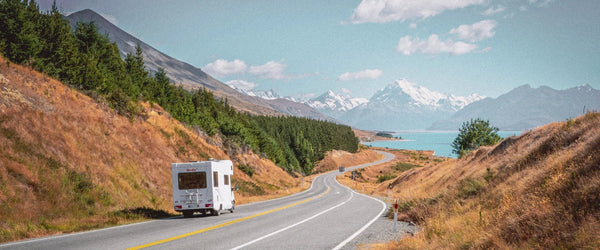
Canada tops plenty of people's travel wish lists — but how much do you truly know about the Great White North? Here are 15 fascinating facts about Canada that might just change how you think about it.
1. Canada has over 343,000 square kilometres of national parkland
Natural Canada is an absolute feast for the eyes — 37 national parks and 11 additional reserves offering forests, lakeland, and mountain scenery across more than 343,000 square kilometres of protected landscape. For context, that's larger than Germany.
2. Canadians are genuinely famous for their warmth and politeness
Canadians have a well-earned reputation for being almost too polite and welcoming — no matter how cold it gets outside, the welcome tends to be warm. As with any destination, exercising normal travel caution is still sensible, but Canada consistently ranks as one of the most visitor-friendly nations in the world.
3. Quebec produces over 70% of the world's maple syrup
Believe it or not, Quebec alone accounts for more than 70% of all maple syrup production worldwide. At any given time, around 34 million maple trees across the province are running through syrup production — which makes the maple leaf a very sensible choice for a national emblem.
4. Ice hockey is the official national winter sport — by law
Canada's passion for ice hockey runs so deep that it was enshrined in law as the national winter sport. Lacrosse holds the equivalent status for summer — though it's ice hockey that most of the world associates with Canada.
5. Almost 25% of Canada's population was born overseas
Canada is remarkably ethnically diverse — around 25% of citizens were born abroad, and approximately 44% of people living in Canada are first or second-generation immigrants. The majority of new arrivals come from Asia and Africa, with India, the Philippines, and China among the largest source countries.
6. Canada has a consistently high quality of life
Canada scores well across quality of life metrics — moderate safety levels, positive healthcare indicators, and relatively low pollution. The cost of living is not especially cheap, but many people consider it a fair trade for the standard of living on offer.
7. Niagara Falls sits on the Canada-US border
The breathtaking Niagara Falls is one of the most spectacular natural sights in North America — one of three waterfalls straddling the Canada-US border. Canada has developed significant tourism infrastructure around the falls, including accommodation, local wineries, and guided tour packages that let you experience the area comfortably and safely.
8. Canada is home to polar bears, moose, wolves, and more
Canada's vast wilderness comes with extraordinary wildlife — wolves, moose, beavers, puffins, caribou, and all three species of North American bear: brown, black, and polar. The opportunity to see these animals in their natural habitat is one of the most compelling reasons to visit.
[warning]Brown, black, and polar bears are present across various regions of Canada. When visiting national parks or wilderness areas, always follow Parks Canada's wildlife safety guidance — maintain distance from all wildlife, store food correctly, and never approach or feed animals. Polar bear encounters in northern regions carry serious safety risks. Always research the specific wildlife risks for your planned destination before you travel.[/warning]9. Canada's Medicare system provides universal healthcare to residents
One of the biggest draws for people settling in Canada from overseas is its taxpayer-funded Medicare system, which provides access to healthcare for all residents contributing to national taxes. It's a significant factor in Canada's consistently high quality-of-life rankings.
10. Canadian winters are genuinely extreme — especially away from the south
Canada's reputation for cold is well-founded. Around Toronto — which sits in the relatively temperate south — winter high temperatures can reach as low as 0°C (32°F). Further north, temperatures drop considerably more severely.
[warning]If you're visiting Canada in winter, pack accordingly — particularly for any outdoor or wilderness activities. Extreme cold can become dangerous quickly, especially in northern regions or during sudden temperature drops. Always check local weather forecasts before outdoor excursions and dress in thermal layers even if conditions seem mild.[/warning]11. Canada has two official languages — English and French
Canada is fully bilingual by law, with English and French both given official status nationwide. Signage, government services, and national infrastructure operate in both languages — a reflection of the country's English and French colonial history.
12. Canadian cities are consistently ranked among the world's safest and cleanest
Canada's cities have strong reputations for low crime and low pollution. In fact, crime across Canada dipped 4.1% in 2024 — suggesting the country is, if anything, continuing to improve. As with all travel, basic sensible precautions still apply.
13. Poutine is just the beginning of Canada's food culture
Canada is perhaps most famous internationally for poutine — crispy fries topped with meat gravy and cheese curd. But the national palate goes much further: local bacon, lobster rolls, touton, and rappie pie are all worth seeking out. Travelsphere has a comprehensive list of Canadian dishes worth bookmarking before you visit.
14. Canada has one of the world's most educated populations
Canada's education system is among the strongest globally. At least 57% of Canadians hold at least a college credential, and the country reportedly has twice as many college graduates per capita as the United States.
15. Canada is a leading force in global peacekeeping and diplomacy
Canada is a prominent and active participant in international peacekeeping — a consistent contributor to UN operations and a supporter of open diplomatic dialogue between nations. For a country with such a strong reputation for warmth and politeness domestically, the emphasis on diplomacy internationally is perhaps no surprise at all.
[esim flag="🇨🇦" label="Canada" data="10GB · 30 days" price="£14" href="/products/canada" benefits="Instant QR setup · Reliable 4G/5G · No roaming charges"]Stay connected across Canada — from Niagara Falls to the Rockies[/esim] [faq] [q]What is Canada known for?[/q] [a]Canada is known for its extraordinary natural landscapes (37 national parks covering over 343,000 square kilometres), ice hockey as the national winter sport, maple syrup production (Quebec produces over 70% of the world's supply), its bilingual English-French culture, world-famous Niagara Falls, diverse wildlife including brown, black, and polar bears, poutine and a distinctive food culture, and a consistently high quality of life with universal healthcare and strong education.[/a] [q]Is Canada safe to visit?[/q] [a]Yes — Canada is consistently ranked among the safest countries in the world for visitors. Crime across Canada fell 4.1% in 2024. Its cities are clean, well-policed, and welcoming to international visitors. Standard travel precautions apply, as they do anywhere. Wildlife safety is an important consideration in national parks and wilderness areas — always follow Parks Canada guidance when visiting areas with bear populations.[/a] [q]What is poutine?[/q] [a]Poutine is Canada's most iconic national dish — a combination of crispy French fries topped with meat gravy and fresh cheese curd. It originated in Quebec and has since spread across the country in countless regional and creative variations. It's available at everything from fast food chains to upscale restaurants, and is the starting point for a much broader and varied Canadian food culture worth exploring.[/a] [q]What are Canada's official languages?[/q] [a]Canada has two official languages — English and French. Both are given equal legal status nationwide, with bilingual signage, government services, and national infrastructure across the country. French is the predominant language in Quebec, while English dominates in most other provinces. The bilingual status reflects the country's history of English and French colonial settlement in different regions.[/a] [q]How cold does Canada get in winter?[/q] [a]Winter temperatures vary significantly by region. Around Toronto in the relatively mild south, high temperatures can reach as low as 0°C (32°F). Further north and in prairie provinces, temperatures regularly drop to -20°C or lower. Most Canadians who have a choice tend to live in the southern regions for the more manageable climate. If you're visiting in winter, always pack thermal layers and check local forecasts before outdoor activities.[/a] [q]Do I need an eSIM for Canada?[/q] [a]A SIMOVO Canada eSIM is one of the most practical additions to any Canadian trip. At £14 for 10GB over 30 days, it activates on landing, connects you to Canada's best available networks, and keeps you navigating Niagara Falls, finding poutine restaurants, and sharing your trip — without roaming charges or WiFi dependency across Canada's vast distances.[/a] [/faq] [esim flag="🇨🇦" label="Canada" data="10GB · 30 days" price="£14" href="/products/canada" benefits="Instant QR setup · Reliable 4G/5G · No roaming charges"]Stay connected across Canada — from Niagara Falls to the Rockies[/esim]