[takeaways] • Japan is a genuine multi-seasonal destination — spring brings cherry blossom and Golden Week, summer offers festivals and national parks, fall delivers stunning foliage, and winter means onsen and snow sports.
• Japan spans multiple climate zones — northern Japan offers warm summers and snowy winters ideal for skiing, while the south has an almost tropical climate with milder winters.
• Fall is the sweet spot for many travelers — mild temperatures, spectacular foliage turning from green to red and orange, and some of Japan's most celebrated festivals, including the Nagoya Festival.
• The rainy season (tsuyu) falls between June and July — expect high humidity and intermittent showers rather than non-stop monsoons, and some of Japan's best natural blooms.
• The cheapest time to visit Japan is late winter (early January) or the rainy season in early summer — spring is by far the most expensive period.
• A SIMOVO eSIM for Japan keeps you connected to find local attractions, navigate between regions, and stay on top of festival schedules wherever you are. [/takeaways]
With millions of tourists visiting every year — for the cherry blossom, the culture, and even winter sports — Japan is a true multi-seasonal getaway destination. But when is the best time to go to Japan? When is it cheapest to travel here, and when are you most likely to experience the best weather?
In this guide, we take you through Japan's climate season by season, break down the best things to do depending on when you'd like to travel, and share which seasons are best for your budget and peace of mind.
What is Japan's climate like?
Japan spans several climate zones, but for most of the year the country is temperate, with four distinct seasons and good reasons to visit at different times of the year depending on where you're headed.
In northern Japan, expect warm summers and very chilly winters — making it a great choice for winter sports. Head center and east, and things get hot and humid in summer, though winters are surprisingly mild across much of these parts of Japan. An exception includes the Japanese Alps and the Sea of Japan coastline, which are excellent snowy destinations for skiing. In the south, the climate is almost tropical — intense summers and milder winters.
Across most parts of Japan, there's also a separate rainy season known as the tsuyu, which typically falls between June and July. Rather than non-stop monsoons, it usually brings intermittent showers alongside high humidity — and some of Japan's most spectacular natural landscapes blooming at their best.
Japan season by season
The best time to visit Japan depends entirely on what you want to do and see. Here's a breakdown of what to expect across the seasons, based on the Northern Hemisphere calendar.
Japan in spring
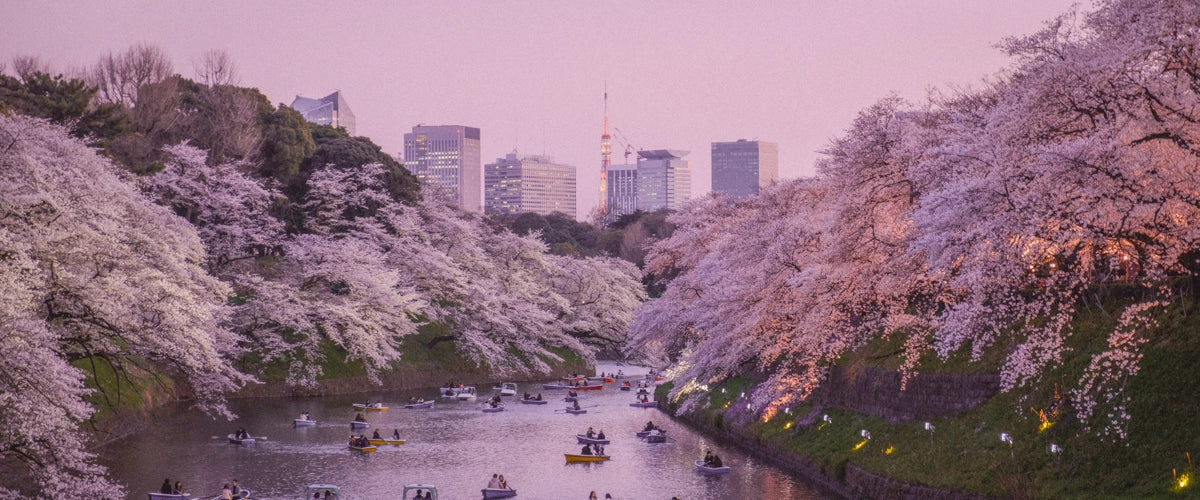
Japan in spring is famous for its cherry blossom season — one of the most visually spectacular events in the world — as well as Golden Week, a stretch of four popular national holidays that makes it a peak travel period for domestic travelers. Golden Week usually falls between the end of April and the beginning of May. Spring is characteristically mild and ideal for touring the blossom trees, but expect higher prices and bigger crowds than any other time of year.
Japan in summer
Summer gets hot and humid across much of the country, but it comes with some of the best blooms across Japan's famous national parks and a fantastic calendar of festivals. Swimming, peak climbing, and beach days are all on the table — just be prepared for heavy rainfall in some regions, particularly during the rainy season in June and July. Pack for warm days and wet afternoons.
[tip title="Visit in June or July for the best budget flights and hotels"]The rainy season is one of the cheapest times to travel to Japan. Book ahead for early June through late July if keeping costs down is a priority — and embrace the lush, blooming landscapes that come with the rain.[/tip]
Japan in fall
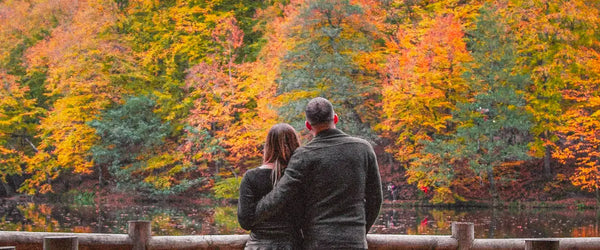
Fall is a wonderful time to travel to Japan — greens turn to reds and oranges across the country's famous foliage, with some areas still showing color as late as winter. Temperatures are generally mild, and fall plays host to some of Japan's best-loved festivals, including the Nagoya Festival, where visitors can watch people dressed in traditional armor reenacting historic battles. For the best combination of natural sights, cultural experiences, and comfortable temperatures, fall is hard to beat.
Japan in winter
Winter varies considerably across parts of Japan — northern regions and some central areas receive heavy snowfall, making them popular for winter sports, while the south stays relatively mild. Japan knows how to celebrate the season, with lights festivals and major events taking place across the country.
A particularly popular winter tradition is taking a dip in an onsen — one of Japan's traditional hot springs — many of which are found around Mount Fuji, Kyushu, and Oita. It's one of the most memorable experiences the country has to offer, and uniquely Japanese.
[tip title="Try an onsen near Mount Fuji in winter"]Soaking in a traditional hot spring with snow-capped peaks in view is one of the great Japan experiences. The areas around Mount Fuji, Kyushu, and Oita have the highest concentration of onsen — many of which are open year-round but are best enjoyed in the colder months.[/tip] [esim flag="🇯🇵" label="Japan" data="10GB · 30 days" price="$9.40" href="/products/japan" benefits="Instant QR setup · Reliable 4G/5G · No contract"]Stay connected across Japan — find attractions, navigate regions, and keep up with festival schedules[/esim]
When is the cheapest time to visit Japan?
Japan can be fairly expensive to fly to and stay in year-round, but there are a couple of sweet spots worth knowing about. Late winter — around the start of the year — tends to offer some of the most reasonable accommodation and event prices. The rainy section of summer (early June through late July) is also generally cheaper than most other periods, depending on where you're traveling.
Be prepared for spring to bring the most expensive flights and hotel stays of the year — millions of domestic travelers and international visitors converge to see the cherry blossom in bloom. Summer and winter also tend to be fairly expensive outside of the rainy season window.
For many people, the sweet spot for low crowds and mild temperatures is fall — a great choice if you're looking for a quieter, more budget-friendly adventure. That said, if you want to see Japan at its most visually stunning, spring is unmissable — provided you're happy to deal with crowds and a little extra expense.
Japan travel tips
If it's your first time heading to Japan, here are some tips from the SIMOVO crew to help make your trip more enjoyable.
[tip title="Don't tip — anywhere, ever"]If you're used to tipping for service, leave that habit at home. Tipping is not expected anywhere in Japan, and the bill you receive for your meals and drinks is all you need to pay. Leaving money on the table can actually cause confusion or offense.[/tip] [tip title="Use both hands for all payments"]Whether you're handling cash or a card, always use both hands when giving or receiving payment in Japan — it's a mark of respect observed across the country. Avoid single-handed transactions wherever possible.[/tip] [tip title="Say 'itadakimasu' before eating"]Before any meal in Japan, it's customary to give thanks by saying "itadakimasu" — a simple gesture that locals will warmly appreciate from visiting tourists.[/tip] [tip title="Pack for a range of conditions"]Given the variety in weather and climate across Japan, packing a range of clothing for different conditions is essential. This is especially important in summer, when warm days in June and July can quickly turn wet — a light rain layer is always worth having on hand.[/tip] [tip title="Brush up on Japan before you arrive"]Check out our guide to fun facts about Japan to get up to speed on the country's culture, customs, and quirks before you land.[/tip] [faq] [q]When is the best time to go to Japan?[/q] [a]Spring (late March to early May) is the most popular time to visit Japan for cherry blossom season and Golden Week, though it's also the most expensive and crowded. Fall (September to November) offers stunning foliage, mild temperatures, and lower prices. Late winter and the early rainy season (June to July) are the cheapest times to visit.[/a] [q]When is cherry blossom season in Japan?[/q] [a]Cherry blossom season typically runs from late March to early May, varying by region and year. The blooms are fleeting — usually lasting only a week or two in any given location — so timing your visit carefully is important. Spring is Japan's peak tourist season as a result, with higher prices and larger crowds than any other time of year.[/a] [q]What is Golden Week in Japan?[/q] [a]Golden Week is a collection of four national holidays clustered together at the end of April and beginning of May, making it one of Japan's busiest domestic travel periods. If you're visiting during this time, book accommodation and transport well in advance — availability tightens quickly and prices rise sharply.[/a] [q]What is the rainy season in Japan?[/q] [a]Japan's rainy season — known as tsuyu — typically falls between June and July. Rather than constant heavy rain, it brings intermittent showers and high humidity, alongside some of the country's most spectacular natural blooms. It's also one of the cheapest times to visit, making it a good option for budget-conscious travelers.[/a] [q]Is it rude to tip in Japan?[/q] [a]Yes — tipping is not part of Japanese culture and is not expected anywhere in the country. Leaving money on the table or handing extra cash to a server can cause confusion or even be seen as impolite. Pay the bill as presented and you've done everything correctly.[/a] [q]Do I need an eSIM for Japan?[/q] [a]A SIMOVO eSIM for Japan is a convenient way to stay connected from the moment you land — useful for navigating between regions, checking festival schedules, finding restaurants and attractions, and keeping in touch while you travel. It means no hunting for a local SIM card on arrival.[/a] [/faq] [esim flag="🇯🇵" label="Japan" data="10GB · 30 days" price="$9.40" href="/products/japan" benefits="Instant QR setup · Reliable 4G/5G · No contract"]Get connected before you land in Japan[/esim]