[takeaways] • New Zealand's seasons are the reverse of the Northern Hemisphere — summer runs December to February, and winter runs June to August.
• The best overall months to visit New Zealand are May or September, offering the most comfortable balance of mild weather, manageable crowds, and reasonable prices.
• New Zealand is famous for "four seasons in one day" — always pack waterproof layers and check a local weather app like MetService before heading out.
• UV radiation in New Zealand is extreme — high-SPF sunscreen, a broad hat, and sunglasses are essential no matter where you travel.
• All clothing and gear must be free from mud, dirt, and natural debris before passing through customs — New Zealand's biosecurity rules are strictly enforced.
• A SIMOVO eSIM for New Zealand keeps you connected without the need for WiFi or local SIM cards, wherever your trip takes you. [/takeaways]
For many travelers, New Zealand sits at the other side of the world — which makes planning the perfect getaway here a matter of some careful thought around seasonal differences. When is the best time to visit New Zealand based on weather, climate, and pricing?
In this guide, we take you through what to expect from NZ across the seasons, and help you narrow down the best shot at sunny days and low-cost travel.
New Zealand climate and weather: an overview
New Zealand benefits from a temperate climate, and for the most part its seasons run opposite to what you'd expect in the Northern Hemisphere — summer falls between December and February, and winter runs from June through August. That means the Northern Hemisphere's summer months are always likely to be the coldest time of year in New Zealand.
NZ is also well known for rapid weather changes — toward the north, expect a subtropical climate, while the South Island tends to get considerably chillier. The country is famous for "four seasons in one" thanks to its proximity to several oceans, which keeps the atmosphere very moist. High winds are common, particularly on the east coast where conditions can be very dry, and the Southern Alps create a large rain shadow across much of the interior.
[tip title="Download MetService before you land"]Given how unpredictable weather changes can be from one city to the next, we recommend downloading MetService when you arrive. Set up alerts and push notifications so you know how to dress for the day ahead — it's also a safety measure, as even sunny-looking days in NZ can quickly turn to snow or heavy rain.[/tip]
New Zealand by the seasons
Weather and climate vary considerably across the country, but here's a general overview of what to expect from New Zealand season by season. Note: the seasons listed below are based on the Northern Hemisphere calendar — so spring here covers New Zealand's fall, summer covers NZ's winter, and so on.
Spring (New Zealand fall, March–May)
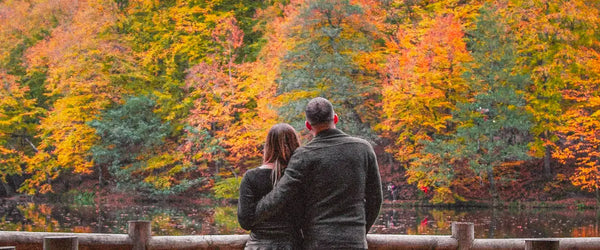
Traveling between March and May means cool days, minimal crowds, and lower costs than the peak months. The changing colors and arrival of food and art festivals across the country make this a particularly rewarding time to visit. It's also a great season for hiking across NZ's fabulous natural scenery — if trekking is on your agenda, March through May should be a priority.
Summer (New Zealand winter, June–August)
New Zealand's winter is mild for many visitors, though the mountains toward the south receive heavy snowfall — making this the prime season for winter sports getaways. The North Island tends to get particularly rainy between June and August, so pack plenty of waterproof clothing and protect your tech. While popular with skiers, this is still far from peak tourist season overall.
Fall (New Zealand spring, September–November)
Visiting between September and November means rising temperatures and growing crowds — though tourism is still well short of its peak. This is a fantastic time to spot baby animals and watch marine life along the coast. It's lovely and sunny, and flight and accommodations costs remain reasonably low compared to the summer months.
Winter (New Zealand summer, December–February)
December through February brings peak crowds and the sunniest weather of the year. It's the ideal window for NZ's best-loved outdoor activities and attraction tours — but expect higher prices and busier trails. If you choose to hike or cycle during this period, always stay well hydrated and take regular breaks in the heat.
[esim flag="🇳🇿" label="New Zealand" data="10GB · 30 days" price="$13.70" href="/products/new-zealand" benefits="Instant QR setup · Reliable 4G/5G · No contract"]Stay connected across New Zealand — no WiFi or local SIM needed[/esim]
What is the best month to visit New Zealand?
The best month to visit New Zealand depends on what you'd like to do, but the SIMOVO crew recommends either May or September. Both offer the best balance of mild weather, manageable crowds, and reasonable flight and accommodations costs. For skiing or snowboarding, hold on until July or August. For hiking and city exploration, March and April are among the most comfortable months for getting out and about.
New Zealand travel tips
A few important things to keep in mind for any trip to New Zealand — whether it's a two-week trip or a shorter stay.
[tip title="Pack for all four seasons — even in summer"]New Zealand's weather can shift dramatically in a single day. Pack a variety of clothing and layers, and keep a waterproof jacket with you regardless of where you're headed or what the forecast says.[/tip] [warning]New Zealand has some of the strictest biosecurity rules in the world. All clothing and items you bring through customs must be completely free from mud, dirt, and any other natural debris. Failure to declare items can result in significant fines — declare everything at the airport, no exceptions.[/warning] [warning]UV radiation in New Zealand is extreme due to the thin ozone layer. Always pack high-SPF sunscreen, a broad hat, and sunglasses — and apply sunscreen every day, including on overcast days when UV levels can still be dangerously high.[/warning] [tip title="Take your time on New Zealand's roads"]If you're driving around the country on a road trip, take things slow and deliberate. Some roads here are very winding and complex — traveling with multiple drivers is strongly recommended for long distances.[/tip] [tip title="Download Gaspy to find fuel on road trips"]For longer road trips, keeping topped off on fuel across NZ's long distances is important. Download Gaspy — a New Zealand app that helps you locate the nearest gas stations across the country.[/tip] [tip title="Book popular hikes and trails well in advance"]For some of NZ's most popular walks and trails, booking ahead is essential — and this applies year-round, not just in peak season. The further in advance you can book, the better.[/tip] [faq] [q]When is the best time to visit New Zealand?[/q] [a]May and September are the SIMOVO crew's top picks — both offer mild weather, manageable crowds, and lower prices than peak season. For skiing, July and August are best. For hiking and outdoor exploration, March and April are particularly comfortable. December to February is peak season for sunshine and outdoor activities, but also the busiest and most expensive time to visit.[/a] [q]What are New Zealand's seasons?[/q] [a]New Zealand's seasons run opposite to the Northern Hemisphere. Summer is December to February, fall is March to May, winter is June to August, and spring is September to November. The country is also well known for extremely changeable weather within a single day, so conditions can shift quickly regardless of the season.[/a] [q]What is New Zealand's weather like?[/q] [a]New Zealand has a temperate climate, but weather varies significantly by location and can change rapidly. The North Island tends to be warmer and more subtropical, while the South Island is considerably colder and snowier in winter. The country is famous for experiencing four seasons in a single day, particularly in mountainous and coastal areas.[/a] [q]Is New Zealand safe to visit?[/q] [a]New Zealand is generally considered a very safe destination for tourists. The main risks to be aware of are the extreme UV radiation (apply sunscreen daily), rapidly changing weather conditions (always pack waterproof layers), and strict biosecurity rules at customs (declare everything and ensure all gear is clean). For hiking and outdoor activities, always book in advance and check trail conditions.[/a] [q]Do I need to declare things at New Zealand customs?[/q] [a]Yes — New Zealand has some of the strictest biosecurity rules in the world. You must declare all food, plant material, and outdoor equipment at the border, and all clothing and gear must be completely clean and free of mud, dirt, and debris. Failure to comply can result in significant fines.[/a] [q]Do I need an eSIM for New Zealand?[/q] [a]A SIMOVO eSIM for New Zealand is a convenient way to stay connected throughout your trip — useful for checking weather apps like MetService, navigating long road trips, finding fuel with Gaspy, and keeping in touch. It means no hunting for a local SIM card on arrival and no relying on patchy public WiFi.[/a] [/faq] [esim flag="🇳🇿" label="New Zealand" data="10GB · 30 days" price="$13.70" href="/products/new-zealand" benefits="Instant QR setup · Reliable 4G/5G · No contract"]Get connected before you land in New Zealand[/esim]