[takeaways] • Japan is consistently ranked among the safest countries in the world for travelers, according to World Population Review.
• Japan's public transport is world-famous for efficiency, including the Shinkansen (Bullet Train) — consider the Japan Train Pass if you're covering long distances.
• Emergency numbers to remember are 110 for police and 119 for ambulance or fire services — always carry your passport for identification purposes.
• Tipping isn't expected in Japan, and it's considered rude to eat or drink while walking in the street.
• Budgeting around ¥20,000 a day is reasonable for travelers sticking to local grocery stores, vendors, and free attractions.
• A Japan eSIM keeps you connected no matter when you visit, and an eSIM for Asia is worth considering if you're exploring the wider continent too. [/takeaways]
While millions of people travel to and from gorgeous Japan every year, heading there for the first time may seem a little daunting — no matter how well-traveled you are! Japan is a unique nation full of breathtaking landscapes and exciting cultural hotspots. And, for anyone traveling here from the West, getting used to the differences here may be a little overwhelming at first.
That's why we've put together this Japan travel tips guide to help ease you into what to expect when you arrive. We'll run through how you can get around the country and its major cities, how to stay safe, and what local customs and traditions you should be aware of. Don't book that flight or hotel room until you've read everything we have to say right here!
Essential travel tips for Japan
We've split our essential travel tips into four handy sections — transport, safety, money, and local customs. Consider it an introduction of sorts to how to explore the nation and its top attractions without stopping every five seconds to scratch your head! Naturally, there are going to be further planning tips you'll want to keep in mind before you go, too — and we will explore some at the end of the guide.
Transport and getting around
Japan is world-famous for having some of the most efficient (and dare we even say exciting?) public transport systems on the planet. Home to the Shinkansen, or Bullet Train, if you have room in your budget, you can book seats on a super-fast train to connect from one end of the country to the other.
However, if you just want quick access to the main cities, we recommend checking out the efficient subway system or the Japan Railways network. For local trips, buses are, again, efficient and reliable, as are slower but much more scenic routes taken on local trains.
And yes, of course, you can always take taxis. Taxis are usually reliable in and around the cities, though do always make sure that your driver is running the meter before you set off. And, yes, you can also use Uber across Japan's main cities and towns — in fact, we recommend it, in many cases.
[tip title="Consider the Japan Train Pass for long-distance travel"]If you'd prefer to stick to trains, consider checking out the Japan Train Pass, which will help to make travel more affordable.[/tip]
Safety
Japan is actually considered one of the safest countries for tourists to visit, at least when it comes to crime. At the time of writing, it's ranked among the lowest-risk countries to visit, according to World Population Review. That said, regardless of its reputation, it still makes sense to practice caution whenever you're visiting a new country, especially on your own. Always keep your personal belongings safe and don't hold your phone out in front of you when you are in public, if you can help it.
[warning]Always make sure you have full medical and travel insurance to cover your trip just in case of an emergency. And, should an emergency happen, you should call 110 to speak to the police, and 119 if you need an ambulance or the fire service.[/warning]
It's also wise to carry your passport with you wherever you travel in Japan, as police may ask you to prove your identity at any point while traveling. It's just for the sake of safety and security!
[warning]Japan is also at risk from some natural disasters. For example, there may be a chance of earthquakes or even typhoons. In the event of the former, always drop and cover. It's wise to check weather reports far in advance to avoid getting caught by extreme wind or rain.[/warning]
Money, payments, and budgeting
Japan uses the Yen (¥), and to save money on the local exchange, we recommend withdrawing cash at convenience stores, where rates are likely to be much lower than you'd expect at airports. While you can pay with a card at many places, it's worth keeping some coins handy in case you need vending machines (which there are plenty of in Japan!).
You can save money in Japan by walking neighborhoods between cities that typically take ten to 20 minutes on foot. And, as mentioned earlier, you should consider getting a rail pass if you're traveling across the country.
[tip title="Budget around ¥20,000 a day for a comfortable, cost-conscious trip"]Generally, budgeting for around ¥20,000 a day is reasonable if you stick to eating from local grocery stores and vendors and visit free attractions. That said, if you have the money, why not treat yourself?[/tip]
Local etiquette and customs
Japan is a nation that prides itself on politeness and gratitude. It's considered rude to eat or drink in the street, as is keeping your phone on loudspeaker on public transit.
Also remember not to tip in restaurants! It's generally not expected across Japan, as the cost of a tip will usually be absorbed into the price of your meal and service.
Whenever you go into a historic building or someone's home, remove your shoes and make sure your socks are clean. Always show gratitude to people who welcome you, whether you are visiting a private property or are going out to eat!
Best time to visit
Generally, there really is no "best" time to visit Japan! People head here all year round, mainly because the climate varies across different zones, and there are attractions that are exciting to visit whether in summer or winter.
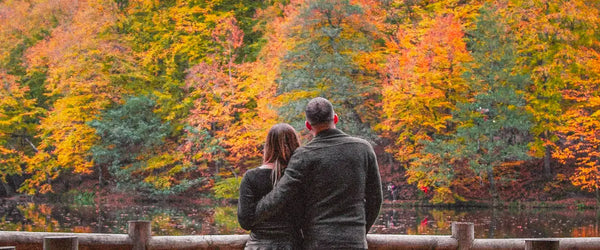
Many people visit in fall to watch the foliage turn orange and fall; however, others choose spring for Japan's famous Golden Week and for the stunning cherry blossom trees. That said, to save money, lots of people also choose to visit Japan in winter, and it's still a great time to enjoy some winter sports and onsen dipping.
Check out our guide to the best time for visiting Japan for a more detailed breakdown of what you can expect across the year!
[esim flag="🇯🇵" label="Japan" data="10GB · 30 days" price="$9.40" href="/products/japan" benefits="Instant QR setup · Reliable 4G/5G · No contract"]Stay connected whenever you visit — Japan eSIM ready in minutes[/esim]
Regardless of when you go to Japan, make sure you have a Japan eSIM loaded and ready to keep you connected.
Japan travel planning tips
If you're serious about heading to Japan soon, here are a few final planning tips you may wish to keep in mind before you go.
[tip title="Read up on Japan's history and culture before you go"]Check out our complete list of fun facts about Japan to get closer to the history and culture before you go![/tip] [tip title="Get an eSIM for Asia if you're traveling beyond Japan"]If you're traveling across the continent, not just Japan, download an eSIM for Asia for broader mobile coverage, saving you money and hassle in having to hunt down WiFi.[/tip] [tip title="Carry both cash and cards, with loose Yen for temples and vending machines"]Be sure to take cash and cards with you. Keep some loose Yen on hand if you're visiting temples or vending machines.[/tip] [tip title="Pace yourself with one or two activities a day"]There's a lot to see across Japan, so pace yourself by planning one or two activities a day, especially if you are heading here for a week or two.[/tip] [tip title="Book flights and hotels early, especially for spring and summer"]Book flights and hotels far ahead of time, especially during spring and summer, which is when spaces are most likely to be competitive.[/tip] [faq] [q]Is Japan safe for first-time visitors?[/q] [a]Yes — Japan is consistently ranked among the safest countries in the world for travelers, according to World Population Review. Standard precautions still apply, such as keeping belongings secure and being cautious with your phone in public, but Japan's low crime rate makes it a comfortable destination for first-time visitors.[/a] [q]What is the best way to get around Japan?[/q] [a]Japan's public transport is world-famous for efficiency. The Shinkansen (Bullet Train) connects major cities quickly, while local subways, buses, and trains cover shorter distances. The Japan Train Pass is worth considering if you're covering long distances, and Uber is also available in major cities.[/a] [q]What are the emergency numbers in Japan?[/q] [a]Call 110 for the police and 119 for an ambulance or fire service. It's also wise to carry your passport at all times, as police may ask for identification while you're traveling.[/a] [q]Do you need to tip in Japan?[/q] [a]No — tipping is not expected in Japan and can even come across as unusual, as the cost of service is already factored into the price of meals and other services.[/a] [q]How much should I budget per day in Japan?[/q] [a]Around ¥20,000 a day is a reasonable budget if you stick to local grocery stores, vendors, and free attractions. Costs can rise significantly if you prioritize fine dining, premium transport like the Shinkansen, or luxury accommodation.[/a] [q]Do I need an eSIM for visiting Japan?[/q] [a]A Japan eSIM is a convenient way to stay connected throughout your trip, and if you're exploring more of the continent, an eSIM for Asia offers broader coverage. Either option saves you from hunting for WiFi or a local SIM card on arrival.[/a] [/faq] [esim flag="🇯🇵" label="Japan" data="10GB · 30 days" price="$9.40" href="/products/japan" benefits="Instant QR setup · Reliable 4G/5G · No contract"]Get connected before you land in Japan[/esim]