[takeaways] • The four unmissable things to see in Berlin are the Brandenburg Gate, the Berlin Wall Memorial, Museum Island, and Alexanderplatz.
• The Berlin Wall Memorial commemorates the Peaceful Revolution of 1989 — always visit with respect and follow all site guidelines.
• September is the sweet spot for visiting Berlin — pleasant weather and more manageable crowds than peak summer.
• Berlin in December is spectacular — authentic Christmas markets pop up across the city every year.
• Museum Island alone can fill a full day — it contains six individual museums and galleries, each worth exploring. [/takeaways]
Germany has fast become a must-visit destination for any European traveler over the past couple of decades, and Berlin sits at the top of the pile when it comes to culture and entertainment. It's bursting with historic architecture and landmarks, important museums, and fantastic nightlife — meaning that if you're ever stuck for things to see in Berlin, you just need to look a little closer.
SIMOVO's team of international travelers has picked Berlin as one of the best cities to explore across Europe, period — and in this guide, we'll break down everything to prioritize for your perfect itinerary here. If there are other things you'd like to see and do across the city, throw them in too.
Before you jet off to Germany, always make sure your mobile data is set up and ready. Using your usual network SIM can run up extortionate roaming costs, and public WiFi isn't always reliable — save yourself money and hassle by downloading an eSIM for Germany before you go.
Why Berlin is a must-visit city
Anyone with even a slight interest in history will want to explore Berlin for its incredible landmarks — but you'll also want to check out the city's cozy cafe scene during the day and its absolutely electric nightlife when the sun goes down. Berlin is a city with two key personalities: historic and cultured by day, and exciting and vibrant by night.
Berlin is a thriving, multicultural city that has come a remarkable way in just 100 years of history. Many of us were alive to see the Berlin Wall come down — in just three to four decades, the city has stepped away from the shadows of its past in extraordinary style. As a city hundreds of years old, generations of people have made their marks here, which makes the historic streets all the more fascinating to explore.
Best things to see in Berlin
Berlin is absolutely one of those cities that has scores of attractions you simply can't pack into a weekend. The Berlin wanderers among the SIMOVO crew have narrowed down their four favorite spots to revisit time and again — the Brandenburg Gate, the Berlin Wall Memorial, Museum Island, and Alexanderplatz.
These are all attractions we recommend adding to your Germany itinerary.
[numbered title="Brandenburg Gate" pill="Only surviving historic gate"]A magnificent neo-classical landmark pre-dating both World Wars — the only historical gate in Berlin still standing, and a powerful symbol of Germany's reunification.[/numbered] [numbered title="Berlin Wall Memorial" pill="Peaceful Revolution tribute"]A deeply moving memorial to the city's division and reunification — commemorating the Peaceful Revolution of 1989 and the people who endured decades of separation.[/numbered] [numbered title="Museum Island" pill="UNESCO World Heritage"]Six world-class museums and galleries on a single island — one of the most culturally significant sites in Europe and a full day's exploration in its own right.[/numbered] [numbered title="Alexanderplatz" pill="Shopping and sightseeing hub"]A buzzing tourism, shopping, and food hub home to the Neptune Fountain, the Berlin TV Tower, and the Alexa Shopping Mall — and extremely well connected by metro.[/numbered]
Brandenburg Gate
The Brandenburg Gate is a magnificent piece of German architecture that's impossible to ignore when touring Berlin. It is, after centuries, still the only historical gate in the city left standing — a neo-classical building that pre-dates both World Wars and even endured the Cold War, during which it stood in Soviet-occupied exclusion.
Now wide open again for all to enjoy, it is seen by millions as a wonderful testament to Berlin's spirit and a symbol of Germany coming back together after years of separation.
Berlin Wall Memorial
The Berlin Wall Memorial commemorates the reunification of Berlin and Germany as a whole. The Cold War led to the country and city being separated — a division that endured decades of turmoil, separating friends and family from each other. By 1989, the Wall came down as part of what became known as the Peaceful Revolution.
[warning]The Berlin Wall Memorial is a site of profound historical significance — commemorating genuine suffering, loss, and the struggle for freedom. Always visit with the highest level of respect: follow all site rules, speak quietly, and be mindful of the memorial's purpose. Photography is permitted in most areas, but always check signage and remain aware of the solemnity of the location.[/warning]
Museum Island
Museum Island brings in millions of visitors each year to explore its individual museums and galleries, each covering art, sculptures, and antiquities. Visitors can explore the Neues Museum, the Altes Museum, the Bode Museum, the Alte Nationalgalerie, the Pergamon Museum, and the James Simon Gallery.
[tip title="Allow a full day for Museum Island"]Museum Island contains six world-class institutions — trying to rush through them all in a few hours means missing a significant amount. We recommend choosing two or three to explore in depth rather than rushing through all six. A full day devoted to Museum Island is genuinely rewarding and never wasted.[/tip]
Alexanderplatz
Berlin's Alexanderplatz is a tourism, shopping, and foodie hub that many travelers head to when looking to kick back and relax a little. After stepping back in time on Museum Island, be sure to check out the Neptune Fountain, the Berlin TV Tower, and the impressive Alexa Shopping Mall. It's also extremely well connected to other spots across the city via metro.
Other cultural attractions in Berlin
There are only so many places to see in Berlin we can cover here — but here's a quick selection of other fantastic attractions worth packing into your Berlin itinerary.
- The Humboldt Forum — a cultural center in a reconstructed Berlin Palace, housing ethnological and Asian art collections.
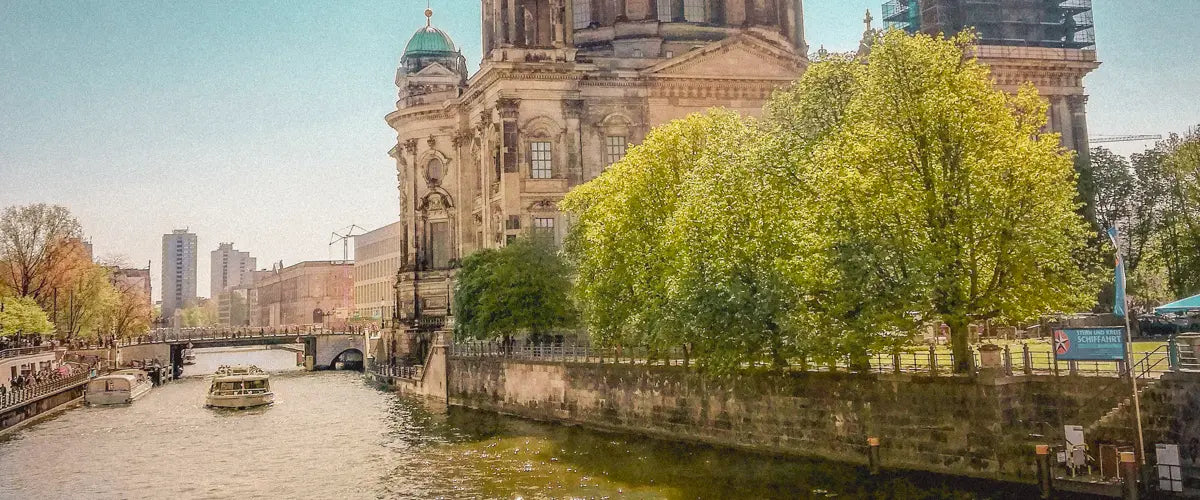
- Berlin Cathedral — a spectacular Protestant cathedral on Museum Island with panoramic city views from the dome.
- Berlin State Opera — one of the finest opera houses in Europe, located on Unter den Linden.
- The Lustgarten — a historic public park adjacent to Museum Island, excellent for a relaxed afternoon.
- Berlin Samurai Museum — an impressive collection of Japanese samurai armor, weapons, and artifacts.
- Mauerpark — a beloved park on the former Berlin Wall death strip, famous for its Sunday flea market and open-air karaoke.
- The House of World Cultures — a contemporary arts center hosting international exhibitions and events.
[tip title="Check TripAdvisor and social media for Berlin nightlife recommendations"]If you're interested in Berlin's legendary bars and club scenes, popular spots include the Icebar, the Matrix Club, House of Weekend, and the Soda Club — to name just a few. Check the best-rated nightlife on TripAdvisor and explore TikTok and Instagram for current recommendations from recent visitors. Berlin's nightlife scene changes quickly and personal recommendations are more reliable than static guides.[/tip]
Best time to visit Berlin
Berlin is warmest and most pleasant from late spring through to early fall — and it's during this time that tourists naturally flock to the city.
[tip title="September is the sweet spot for visiting Berlin"]Head to Berlin as early in September as you can for the ideal combination of pleasant weather and manageable crowds — before the summer masses have fully dispersed but after the peak July and August rush. It's consistently one of the most comfortable months to explore the city on foot.[/tip] [tip title="Berlin in December is worth braving the cold for"]Berlin is spectacular in wintertime thanks to authentic Christmas markets that pop up across the city every December. If you want to sample the city's famous festive food and drink, wrap up warm and embrace it — the atmosphere is genuinely magical and unlike anything you'll find in most other European cities.[/tip] [esim flag="🇩🇪" label="Germany" data="10GB · 30 days" price="$8.50" href="/products/germany" benefits="Instant QR setup · Reliable 4G/5G · No contract"]Stay connected across Berlin and beyond — no roaming charges[/esim] [faq] [q]What are the best things to see in Berlin?[/q] [a]The four unmissable things to see in Berlin are the Brandenburg Gate (the city's last surviving historic gate and a symbol of reunification), the Berlin Wall Memorial (a moving tribute to the Peaceful Revolution of 1989), Museum Island (six world-class museums on a single UNESCO-listed island), and Alexanderplatz (the city's central tourism, shopping, and sightseeing hub). Beyond these, the Humboldt Forum, Berlin Cathedral, and Mauerpark are all highly recommended.[/a] [q]What is the Brandenburg Gate?[/q] [a]The Brandenburg Gate is Berlin's most iconic landmark — a neo-classical triumphal arch built in the late 18th century that has survived both World Wars and the Cold War. It is the only historical city gate in Berlin still standing. During the Cold War, it stood in the Soviet-occupied exclusion zone, inaccessible to most Berliners. Since reunification in 1990, it has become a powerful symbol of German unity and one of the most photographed monuments in Europe.[/a] [q]What is Museum Island?[/q] [a]Museum Island is a UNESCO World Heritage Site in the heart of Berlin — an island in the River Spree home to five world-renowned museums and the James Simon Gallery visitor center. The institutions include the Pergamon Museum (famous for its ancient reconstructed architecture), the Neues Museum (Egyptian collection including the bust of Nefertiti), the Alte Nationalgalerie (19th-century art), the Bode Museum (sculptures and Byzantine art), and the Altes Museum (antiquities). A full day is recommended to explore the island properly.[/a] [q]When is the best time to visit Berlin?[/q] [a]September is widely considered the sweet spot — pleasant temperatures, manageable crowds, and the city fully open and active. Late spring (May to June) is also excellent. Peak summer (July to August) is warm and buzzing but very busy. December is magical thanks to Berlin's famous Christmas markets. Winter outside of December is the quietest and cheapest period, though colder and with shorter days.[/a] [q]What is the nightlife like in Berlin?[/q] [a]Berlin's nightlife is among the most celebrated in the world — the city is famous for its techno club scene, with venues including Berghain, the Matrix Club, House of Weekend, and the Soda Club drawing visitors from across Europe and beyond. The scene is diverse, inclusive, and runs late — some clubs operate continuously from Friday night through to Sunday morning. Always check current recommendations on TripAdvisor and social media, as the best spots change regularly.[/a] [q]Do I need an eSIM for Germany?[/q] [a]A SIMOVO Germany eSIM is one of the most practical additions to any Berlin trip. It activates on landing, connects you to Germany's best available networks, and keeps you navigating between landmarks, finding restaurants, and staying connected throughout your stay — without roaming charges when you get home.[/a] [/faq] [esim flag="🇩🇪" label="Germany" data="10GB · 30 days" price="$8.50" href="/products/germany" benefits="Instant QR setup · Reliable 4G/5G · No contract"]Stay connected across Berlin and beyond — no roaming charges[/esim]